Inhaltsverzeichnis
- 1 From Seed to Vaporizer: Why Your Homegrow is the Best Choice for Aroma and Quality
- 2 Your Path to a Successful Homegrow
- 3 Indica vs. Sativa and Modern Taxonomy
- 4 The Three Main Types: Botany and Origin
- 5 The Botanical Reality
- 6 An Overview of the Different Seed Types
- 7 Criteria for Seed Selection for Indoor and Outdoor
- 8 Looking Beyond Marketing Names: Five Technical Parameters
- 9 Why Seed Selection is Crucial for Vaporizer Users
- 10 Storage and Shelf Life
- 11 Quality Begins with the Seed
From Seed to Vaporizer: Why Your Homegrow is the Best Choice for Aroma and Quality
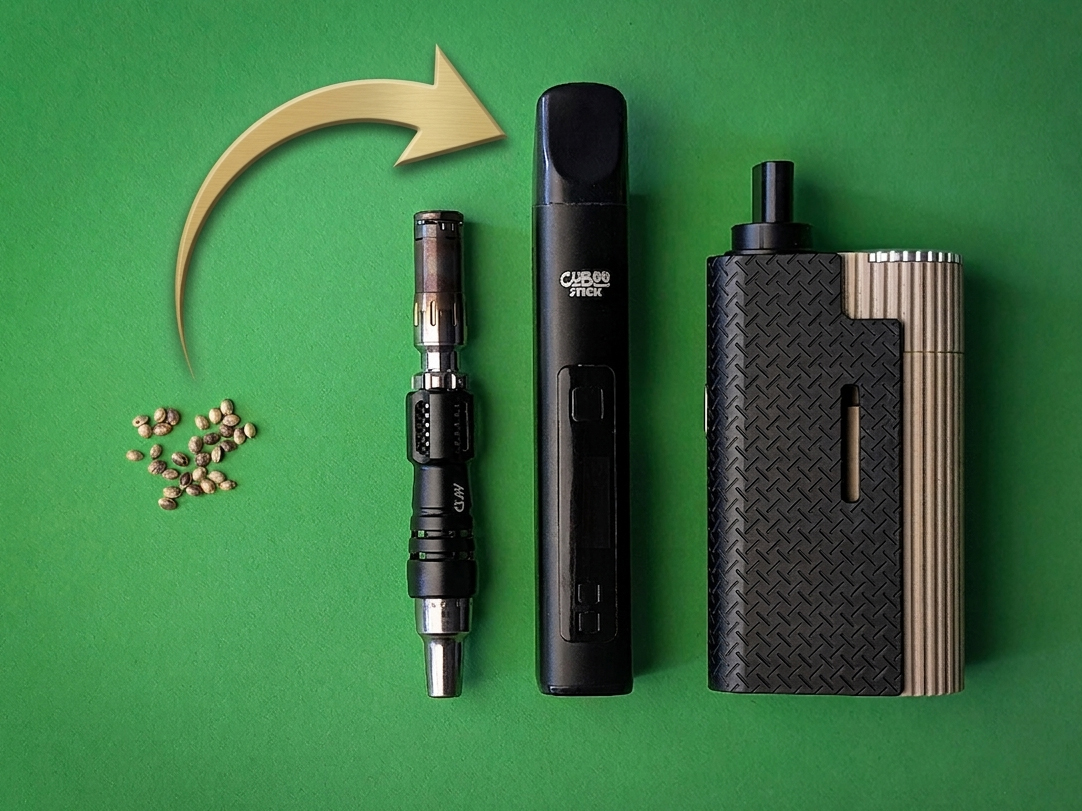
Since April 1, 2024, the landscape for cannabis enthusiasts in Germany has fundamentally changed. With partial legalization, adults are now allowed to grow up to three cannabis plants privately for personal consumption. But before the first harvest can end up in the vaporizer, every aspiring grower faces the most important decision: choosing the right seed. After all, the genetics inside this tiny grain ultimately determine the aroma, yield, and quality of your vaping experience.
Many patients know the problem with medical cannabis all too well. It is often over-stored and bone-dry. Consequently, the valuable terpenes have long since evaporated. Instead of an intense aroma, your vaporizer often delivers a bland, hay-like taste. This experience simply does not do justice to the plant’s true potential.
This is exactly where your homegrow comes in.
It’s in your hands: instead of being dependent on current availability, you cultivate exactly the strain for your needs and have it ready at any time. In this way, you determine the quality as well as the specific terpenes you want to enjoy in your vaporizer.
The decisive advantage lies in consistent quality assurance. By having full control over drying, curing, and storage, you define the final result according to your own ideas. This creates flowers that have exactly the moisture and the full aromatic profile you desire for a first-class vaping experience.
Your Path to a Successful Homegrow
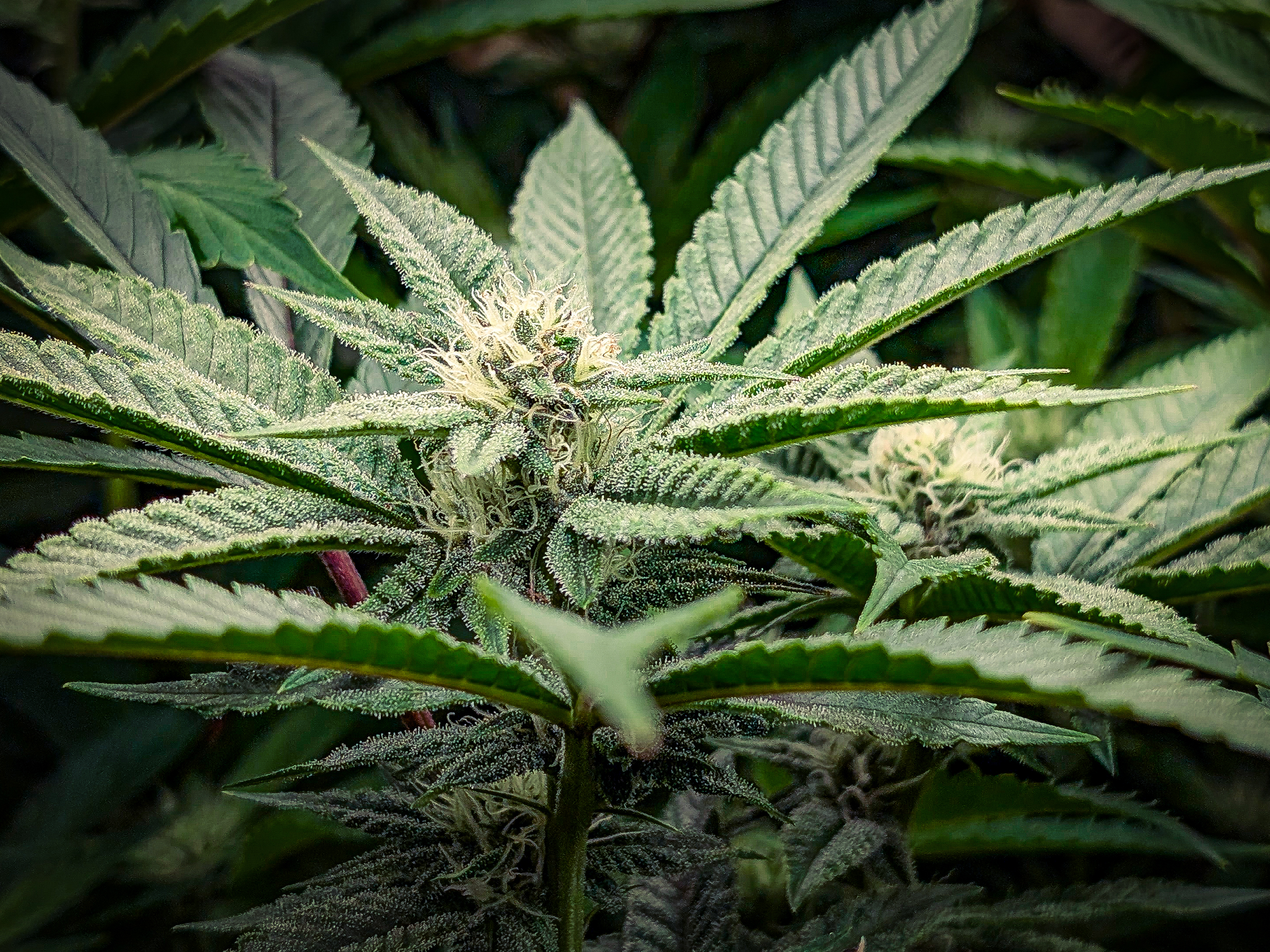
Admittedly, growing your own cannabis is not without its challenges and requires a certain amount of patience and willingness to learn at the beginning. But don’t let that discourage you, because the basics of homegrowing can be learned by any interested beginner. With every plant, your understanding of its needs grows, and you develop a sense for the optimal harvest time.
This effort pays off multiple times in the end, as you are rewarded with a quality that is precisely tailored to your preferences in the vaporizer. The deep knowledge about the purity of your product and the pride in your own harvest make cultivation an enriching experience that goes far beyond mere consumption.
Indica vs. Sativa and Modern Taxonomy
In the grow scene, cannabis is mostly strictly divided: Indica stands for relaxation and the classic “couch-lock” effect, while Sativa is considered stimulating and cerebral. Even in the medical field, this categorization is still frequently used and can certainly serve as a rough guide if you are looking for a specific effect.
Scientifically speaking, however, this strict separation is outdated and often misleading. The differences we today refer to as “Indica” or “Sativa” are merely morphological adaptations to different ecosystems.
Instead of relying only on the outward growth form of the plant with its wide or narrow leaves, the chemovar concept is what counts today. This focuses on the precise interaction of cannabinoids and terpenes, which is referred to in the professional world as the entourage effect.
A vaporizer is the perfect tool to bring out exactly these fine differences. Because while botany may dictate how the plant looks in the tent, the chemical profile determines how it acts on your mind and body.
The Three Main Types: Botany and Origin
To understand what you are growing, it helps to look at botany. Cannabis belongs to the Cannabaceae family (hemp family), which interestingly also includes hops. In science, there has been disagreement for centuries as to whether cannabis is a single, extremely variable species (monotypic) or a genus with several species (polytypic).
“Monotypic” means: there is only one single species in this group, not several different species. Current genetic studies suggest that Cannabis sativa L. is a monotypic species.
Previously, many botanists assumed that cannabis consisted of several independent species. Although we know today that the transitions are fluid, this traditional distinction helps you better understand the growth characteristics of your plants.
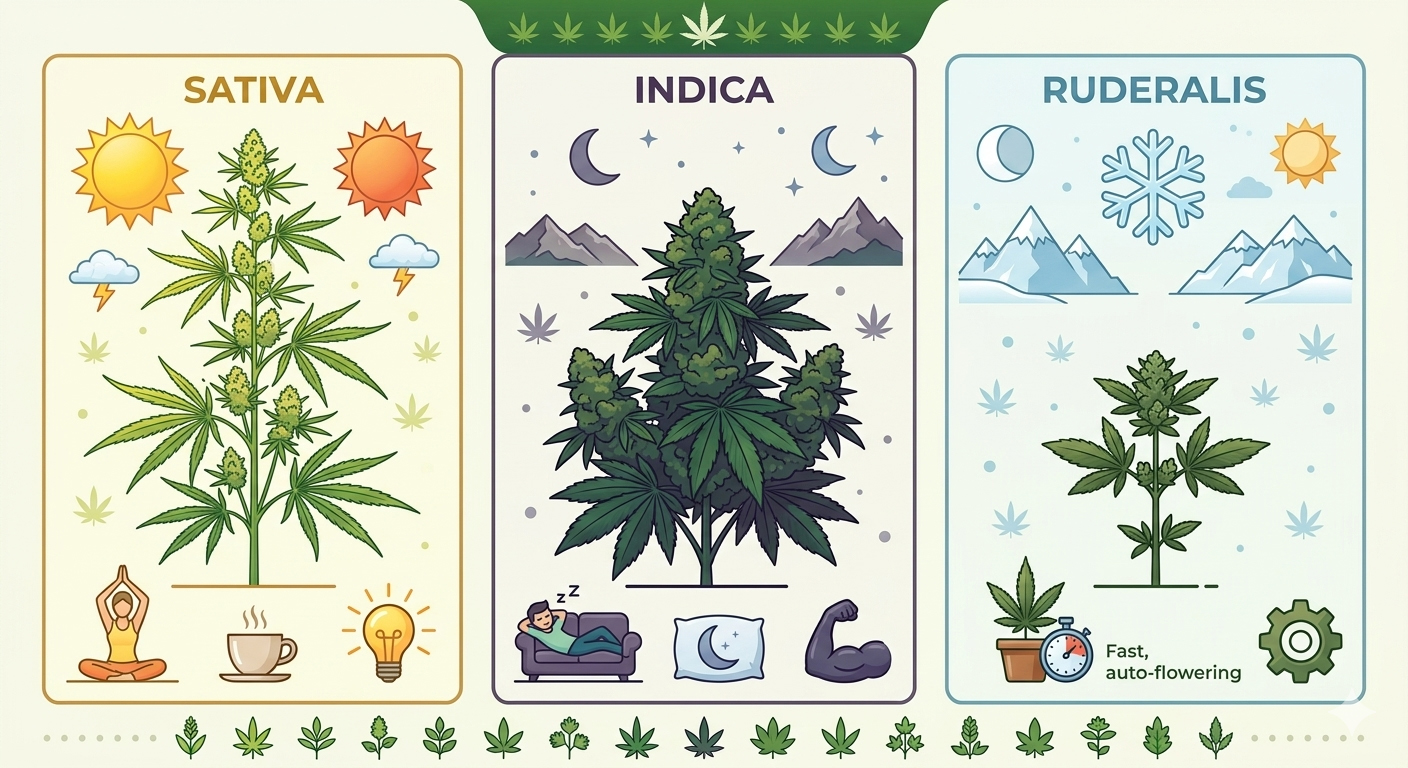
Cannabis Sativa
These plants originally come from regions near the equator and can grow up to 6 meters high under ideal conditions. They have developed narrow leaves and an airy flower structure to protect themselves from mold in high humidity.
Cannabis Indica
Originally from Central Asia (e.g., Afghanistan), it grows rather compact and bushy with wide, dark green leaves. The compact stature and wide leaves serve to protect against wind and maximize light absorption in shorter summers.
Cannabis Ruderalis
This robust wild form comes from colder regions like Russia and is rather small-growing. Its most valuable trait is the ability to flower independently of the light cycle. This genetic trait is extremely important for modern breeders, as crossing ruderal hemp with THC-rich Sativa or Indica varieties creates the popular autoflowering strains.
The Botanical Reality
Recent genetic studies suggest that Sativa, Indica, and Ruderalis are not separate species. Rather, they are different variants of the same species that have adapted to their respective environments over thousands of years.
A simple example from the animal kingdom illustrates the principle: imagine different dog breeds like the Chihuahua, the German Shepherd, and the Husky. Visually, they could hardly be more different, but biologically they all belong to the same species called Canis lupus familiaris.
The situation could be similar for cannabis. Even if the plants in the tent take on completely different forms, biologically speaking, they are a single, extremely versatile species. For your experience with the vaporizer, this primarily means: the interaction of cannabinoids and terpenes at the molecular level is decisive, while pure botanical classification remains secondary.
An Overview of the Different Seed Types
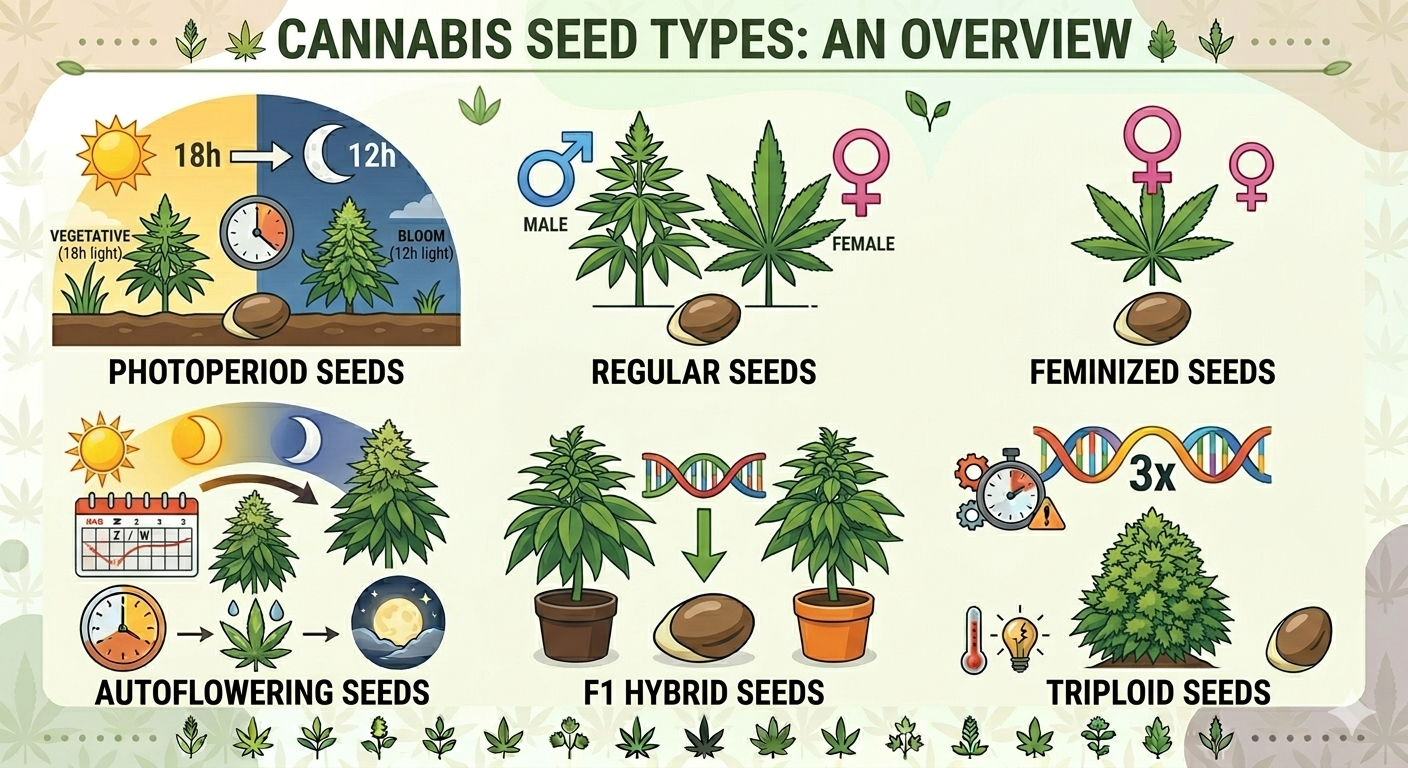
A cannabis seed is a biological powerhouse. It contains all the genetic information and the necessary nutrient reserves for germination. From a botanical perspective, today we distinguish during selection primarily according to two decisive criteria: flowering behavior and the sex of the seeds.
Photoperiodic Seeds
Photoperiodic plants strictly orient themselves to the light cycle. In nature, the shortening days in late summer signal the start of the flowering period. In indoor cultivation, you as the grower take over this control manually by reducing the lighting duration, usually from 18 to 12 hours.
- Advantage: You have full control over the growth phase. You can theoretically extend this indefinitely to shape the plant through specific training or to take cuttings.
- Challenge: Light control requires discipline. Even small errors in the cycle or light leaks during the dark phase can stress the plant and have a negative impact.
Regular Seeds
Regular seeds are the most original form of cannabis seeds. They develop into both male and female plants, usually in a balanced ratio of about 50/50.
- Area of application: These seeds are primarily interesting for breeders and experienced growers. They are excellently suited for creating your own crosses or selecting particularly robust mother plants for cutting cultivation.
- Important for you: Since only the unfertilized female flowers develop the full terpene profile for your vaporizer, regular seeds require a watchful eye. You must determine the sex early on to separate the male plants in time.
Feminized Seeds
Since exclusively female plants produce the desired, resin-rich flowers, feminized seeds were developed. These are bred to produce female plants with a probability of about 99%. For you, this means maximum security when planning your grow.
- Advantage: You save yourself the tedious search for male plants and their separation from the rest of the group. This ensures maximum efficiency in a limited space, as every spot in your tent is guaranteed to produce a harvestable plant.
Autoflowering Seeds (Self-flowering)
These seeds contain genetics from the robust subspecies Cannabis ruderalis. Their decisive feature: they begin to flower automatically after a fixed period, usually two to four weeks, completely independent of the light cycle.
- Advantage: The plants have very short life cycles and are insensitive to light pollution. This makes them the ideal choice for beginners or discrete cultivation on the balcony, where street lamps would often disturb the natural rhythm.
- Challenge: Since flowering starts automatically, you only have a very small window of time to correct any errors in the growth phase. The plant forgives less stress, but rewards you in record time with the first flowers for your vaporizer.
F1 Hybrids
For a long time, cannabis seeds were genetically unstable, so two seeds from the same pack often produced completely different plants. Real F1 hybrids change this fundamentally. They are created by the targeted crossing of two pure inbred lines. The result is the so-called heterosis effect, also known as hybrid vigor, which offers you three decisive advantages:
- Growth spurt: F1 plants grow significantly faster and more vigorously than conventional varieties.
- Uniformity: Each plant is almost a genetic copy of the other, which is a great gain for planning your grow room. Since all plants grow to the same height, you can optimize your lighting perfectly.
- Resistance: This generation possess higher resilience against stress and diseases, thus forgiving smaller mistakes during the grow.
Triploid Cannabis Seeds
Triploid seeds are currently considered the “Holy Grail” of modern plant breeding. While conventional cannabis plants are diploid and thus have two sets of chromosomes, triploid plants possess three of these sets. This genetic peculiarity makes them the future of professional cultivation and offers you three massive advantages:
- Absolute Sterility: Triploid plants are unable to produce seeds. Even if there is a male field in your immediate neighborhood or pollen drift occurs, your flowers are guaranteed to remain seedless.
- Maximum Energy Efficiency: Since the plant does not need to invest any energy into seed production, all the power flows into the formation of trichomes, cannabinoids, and a complex terpene profile.
- Increased Biomass: Triploid plants genetically tend to produce significantly larger and heavier flowers than their diploid relatives. This ensures an impressive harvest volume while simultaneously maintaining the highest quality.
- Lack of Long-term Studies: Since the application of triploidy in cannabis is a relatively new field, comprehensive data on the long-term stability of these plants under various environmental conditions compared to conventional diploid strains is still lacking.
Criteria for Seed Selection for Indoor and Outdoor
Before you decide on a seed type, you should briefly check your personal conditions. The choice of genetics determines how relaxed your grow will be:
- Space Availability: Do you only have a small tent or a narrow balcony? Choose more Indica-dominant varieties or compact autoflowers, as these do not shoot up in height as extremely as pure Sativas.
- Experience Level: If you are just starting out, feminized autoflowering seeds are often the best choice. They reduce the complexity of light control and take away the worry about male plants.
- Location: Are you planning an outdoor grow in northern latitudes? Here you benefit from the speed of autoflowering genetics. Because they finish earlier, you avoid the damp autumn weather and thus the risk of mold on your valuable flowers.
- Resistance: Sativa genetics with airy flower structures and narrow leaves are less susceptible to mold, but often require a very long, sunny autumn.
- Light Control: Note that with regular or feminized seeds, you usually have to initiate flowering yourself by switching to 12 hours of light.
Looking Beyond Marketing Names: Five Technical Parameters
When comparing seeds, you should not only be guided by catchy names, but precisely evaluate five technical metrics. These determine whether the plant fits into your setup and ultimately delivers the desired quality.
1. Flowering Time
Photoperiodic, Indica-dominant varieties often complete their flowering in 7 to 9 weeks. In contrast, pure Sativa landraces can require up to 14 weeks or even longer. For German outdoor growers, a short flowering period is essential so that the harvest can be safely brought in before the wet October weather increases the risk of mold.
2. Growth Height and Structure
Your choice depends heavily on whether you use a grow tent with a height of 1.60 m or grow in the garden. The Indica structure is squat and bushy with low vertical growth after initiating flowering, making it ideal for indoors. The Sativa structure, on the other hand, shows a strong “stretch” and can double or triple its size during flowering. Such plants have wide spaces between the leaves and often require special training techniques like LST or Scrog to control the height.
3. Yield Potential
The yield is usually given in grams per square meter for indoors or in grams per plant for outdoors. The decisive factor here is flower density. While Indicas often form heavy and compact flowers, Sativas frequently produce more biomass with a more airy structure. Modern hybrids today try to combine the best of both worlds to deliver high yields with a firm flower structure.
4. Aroma and Terpene Profiles
Aroma is far more than just a pleasant smell, as it serves as an important indicator for the later effect. Terpenes like earthy myrcene, citrusy limonene, or peppery caryophyllene interact directly with the cannabinoids. When buying seeds, specifically look for the indicated terpene profiles to ensure exactly the organoleptic quality you want to experience in your vaporizer.
5. THC and CBD Content (Potency and Ratio)
The potency of a strain is determined by the ratio of cannabinoids. While some growers seek maximum THC levels for an intense experience, others prefer a balanced ratio of THC to CBD for a gentler effect. When buying seeds, pay attention to these details so that the strain delivers exactly the desired intensity and optimally supports your well-being when vaping.
Why Seed Selection is Crucial for Vaporizer Users
If you plan to enjoy your harvest with a vaporizer, the quality of the genetics is doubly important. When vaping in a temperature range between 150 °C and 220 °C, the active ingredients are released gently without burning them.
This keeps the valuable terpenes fully intact. These fragrances of the plant significantly influence the taste as well as the so-called entourage effect. High-quality seeds guarantee you a rich terpene profile that tastes significantly cleaner and more intense in the vaporizer than with classic combustion. With the right seed selection, you are laying the foundation at the time of sowing for an aromatic vaping experience that reflects the full complexity of the plant.
Storage and Shelf Life
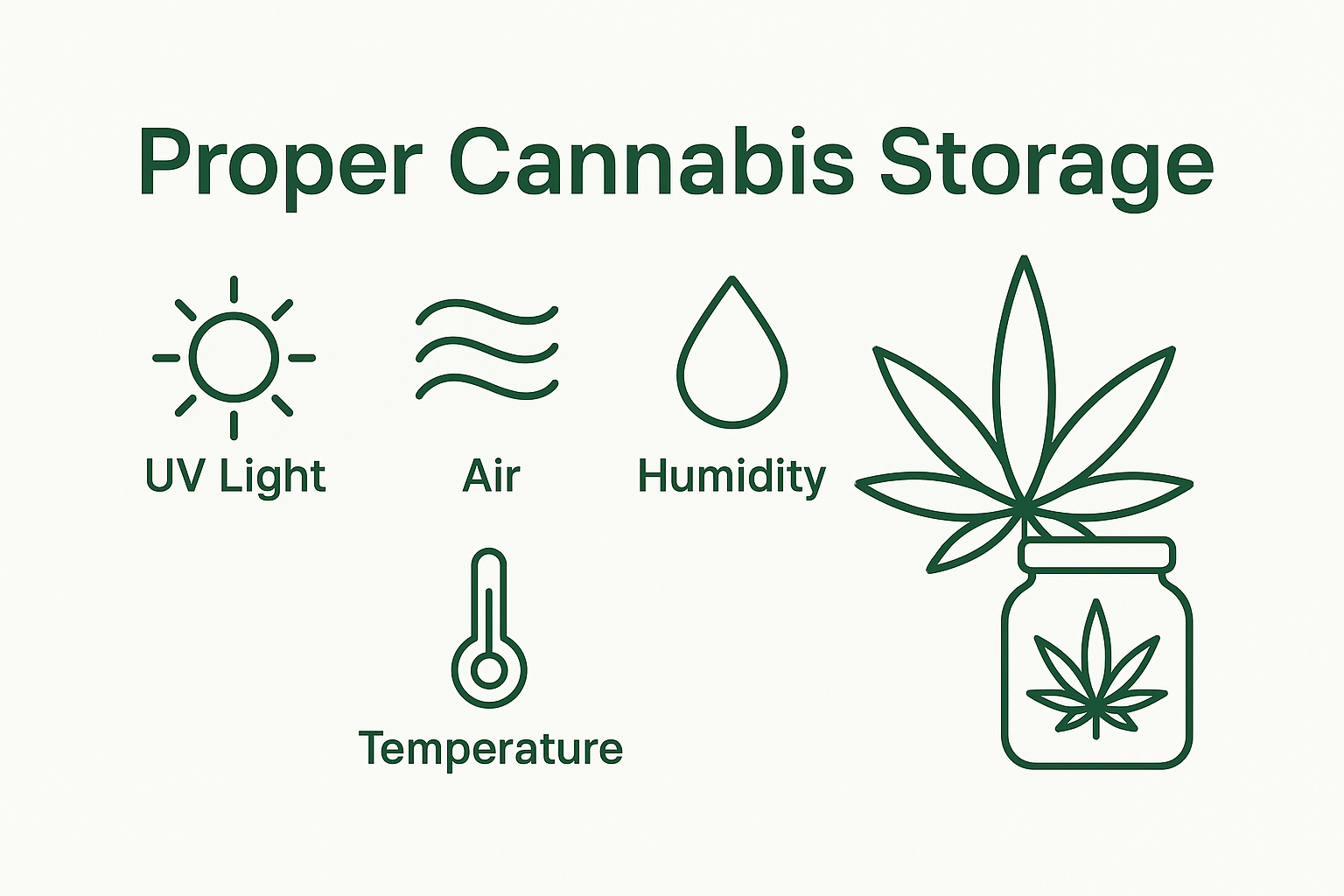
Cannabis seeds are living material and must therefore be treated like a biological treasure. To keep the germination capacity stable for years, it is best to store them cool at about 4–7 °C as well as absolutely dark and dry.
An airtight container in the refrigerator is often the best choice for this purpose. You should use an opaque container so that no light reaches the seeds. In this way, you prevent premature activation of the metabolism and ensure that the genetics retain their full power.
Quality Begins with the Seed
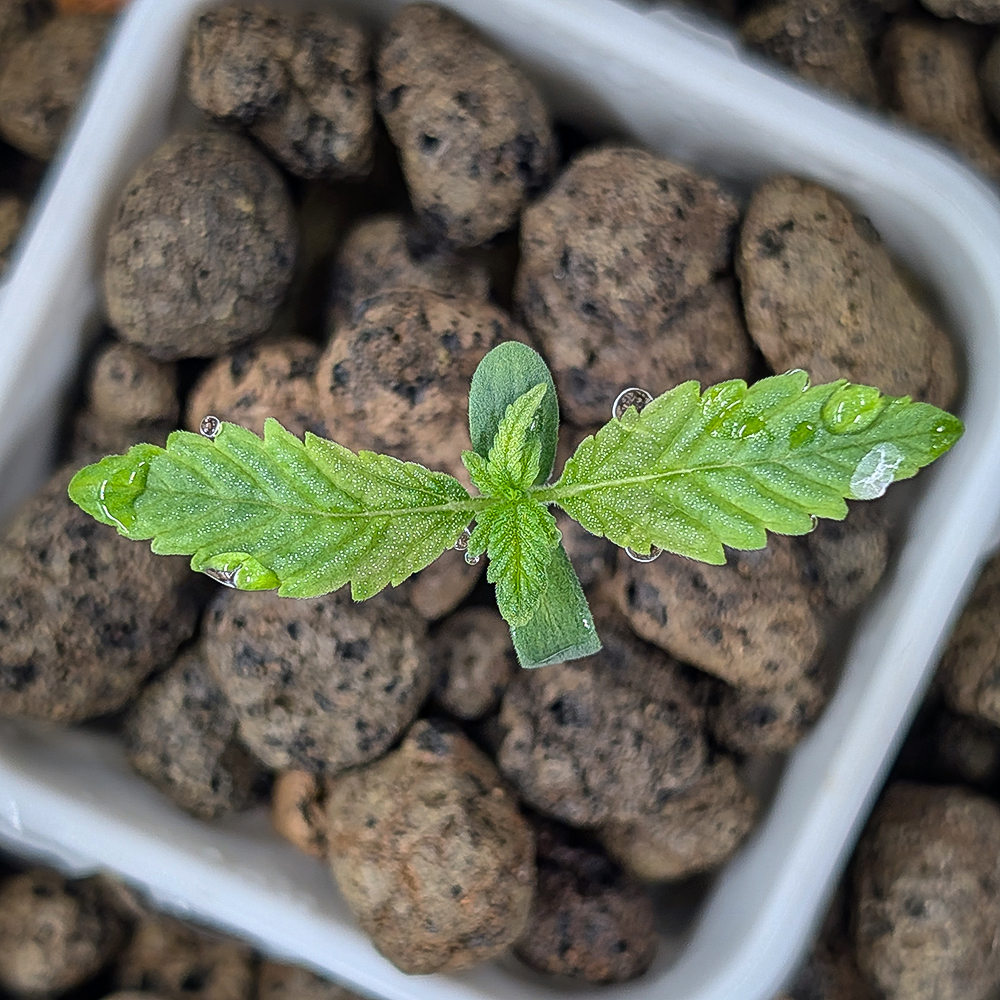
Growing cannabis is a fascinating hobby that stands or falls with the right genetics. Whether you are looking for a relaxing aroma for the evening or an energizing strain for the day: a careful selection in advance is always worth it.
Don’t be guided by old clichés surrounding Indica and Sativa. Instead, look specifically at the flowering period, the growth structure, and above all, the terpene profile. This is how you find the genetics that perfectly fit your individual conditions and your desired experience in the vaporizer.
In our shop, we offer you an exclusive selection of first-class seeds from Barney’s Farm. This brand is known worldwide for its stable and high-caliber genetics. The assortment ranges from award-winning feminized classics to modern autoflowering wonders that guarantee quick success even for beginners.
Ready for your own grow project? Discover the Barney’s Farm seeds in our range now and start your grow adventure!