Inhaltsverzeichnis
- 1 Introduction
- 2 Basics: How did the export tax refund work?
- 3 The new regulation from April 2026
- 4 Which products are directly affected?
- 5 Why China is so important for vaporizers
- 6 Why this can also be relevant for dry herb vaporizers
- 7 What does this mean for well-known dry herb brands?
- 8 Top brands with production in Europe and the USA
- 9 Conclusion for buyers
- 10 Tips for Vaporizer Buyers
- 11 FAQ
- 12 Conclusion
Introduction
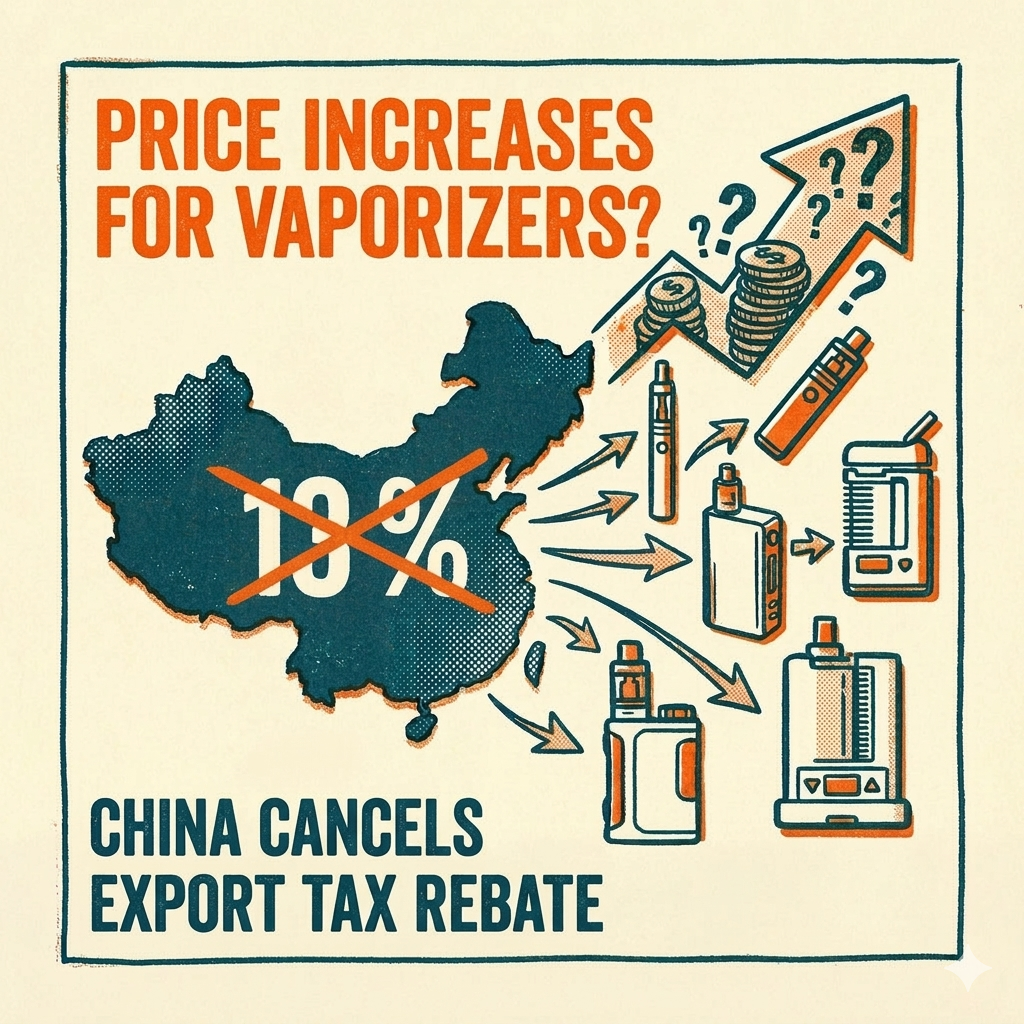
At the beginning of 2026, the Chinese government announced a change that could impact the global vape and vaporizer market. With Announcement No. 2 of 2026, the previous export VAT refund for e-cigarettes and certain related products will be abolished.
This refund previously stood at around 13% and was an important part of the price structure for many manufacturers in international trade. Since a large portion of the world’s production of vaporizer technology takes place in China, a central question now arises:
Could this also lead to price increases for vaporizers in the future – particularly for dry herb vaporizers?
In this article, we explain how the tax regulation works, which products are affected, and what potential impact it could have on manufacturers, retailers, and consumers in the vaporizer market.
Basics: How did the export tax refund work?
For many years, China has used a system of so-called export VAT refunds. This allows manufacturers to get back a portion of the value-added tax paid during the production and purchase of components.
The principle is relatively simple:
- Manufacturers pay VAT on components, electronics, and production.
- When the finished products are exported, the state refunds a portion of this tax.
- This effectively lowers the production costs for export goods.
In the vape device sector, this refund was most recently around 13%.
For many manufacturers, this represented a key competitive advantage in the international market.
The new regulation from April 2026
With the new announcement from the Chinese Ministry of Finance, this export refund for certain product groups will be completely abolished as of April 1, 2026.
Specifically, this means:
- Previous refund: 13%
- New refund: 0%
Manufacturers are thus losing a previously important cost reimbursement that was often factored directly into export prices.
In the future, these costs must either be:
- Absorbed by the manufacturer themselves
- Balanced by higher export prices
- Or compensated for by savings in production
Which products are directly affected?
The regulation refers to specific customs tariff numbers (HS codes). These include in particular:
- HS-Code 2404120000 – Nicotine-containing inhalation products without combustion, e.g., disposable vapes, pods, or e-liquids.
- HS-Code 8543400000 – E-cigarette devices and related accessories.
These categories affect a large part of the global vape market.
Dry herb vaporizers – i.e., devices for vaporizing herbs without a liquid system – are not always clearly included in these codes. The exact classification can vary depending on the device and customs classification.
Why China is so important for vaporizers
A majority of global vape hardware is developed or produced in China. The electronics region around Shenzhen is particularly important, serving as the global hub of the vape industry.
Many vaporizer brands work there with:
- OEM manufacturers
- Electronics suppliers
- Production facilities for heating systems and batteries
Even brands based in Europe or the USA often have at least parts of their devices or components manufactured in this production region.
Why this can also be relevant for dry herb vaporizers
Even if dry herb vaporizers do not always fall directly under the affected HS codes, the regulation can indirectly influence the market.
The reason lies in the shared infrastructure of the vape industry. Many factories produce both e-cigarettes and other vaporizer technology.
If one part of the business suddenly becomes less profitable, it can have impacts on:
- Production costs
- Electronic components
- Factory structures
- Supply chains
.
Possible consequences include, for example:
- Higher unit prices for devices
- Fewer budget-friendly entry-level vaporizers
- Consolidation among manufacturers
What does this mean for well-known dry herb brands?
The effects can vary greatly depending on the brand. The deciding factor is primarily where and how the devices are produced.
Brands with their own production outside of China
Some established manufacturers develop and produce their devices partially or entirely outside the classic vape industry in Shenzhen.
These companies could be significantly less affected by the new regulation because their cost structure does not depend directly on Chinese export subsidies.
Brands with Chinese OEM production
Many vaporizer brands work with Chinese production partners or have their devices completely manufactured there.
If these factories face higher costs due to the loss of the tax refund, these costs could also impact device prices in the long run.
How strong this effect is depends on several factors:
- Size and efficiency of the production partners
- Long-term supply contracts
- Brand positioning in the market
For high-quality vaporizers, the pure production price often plays a smaller role than:
- Development costs
- Material quality
- Service and spare parts
Therefore, premium devices are often less sensitive to short-term changes in production.
Top brands with production in Europe and the USA
In light of potential price increases due to the abolition of the Chinese export refund, manufacturers who have built their supply chains and production facilities outside of China are coming into focus. These brands are largely decoupled from the new tax rules in Shenzhen.
Here are the key players where value creation happens locally:
1. Storz & Bickel (Germany)
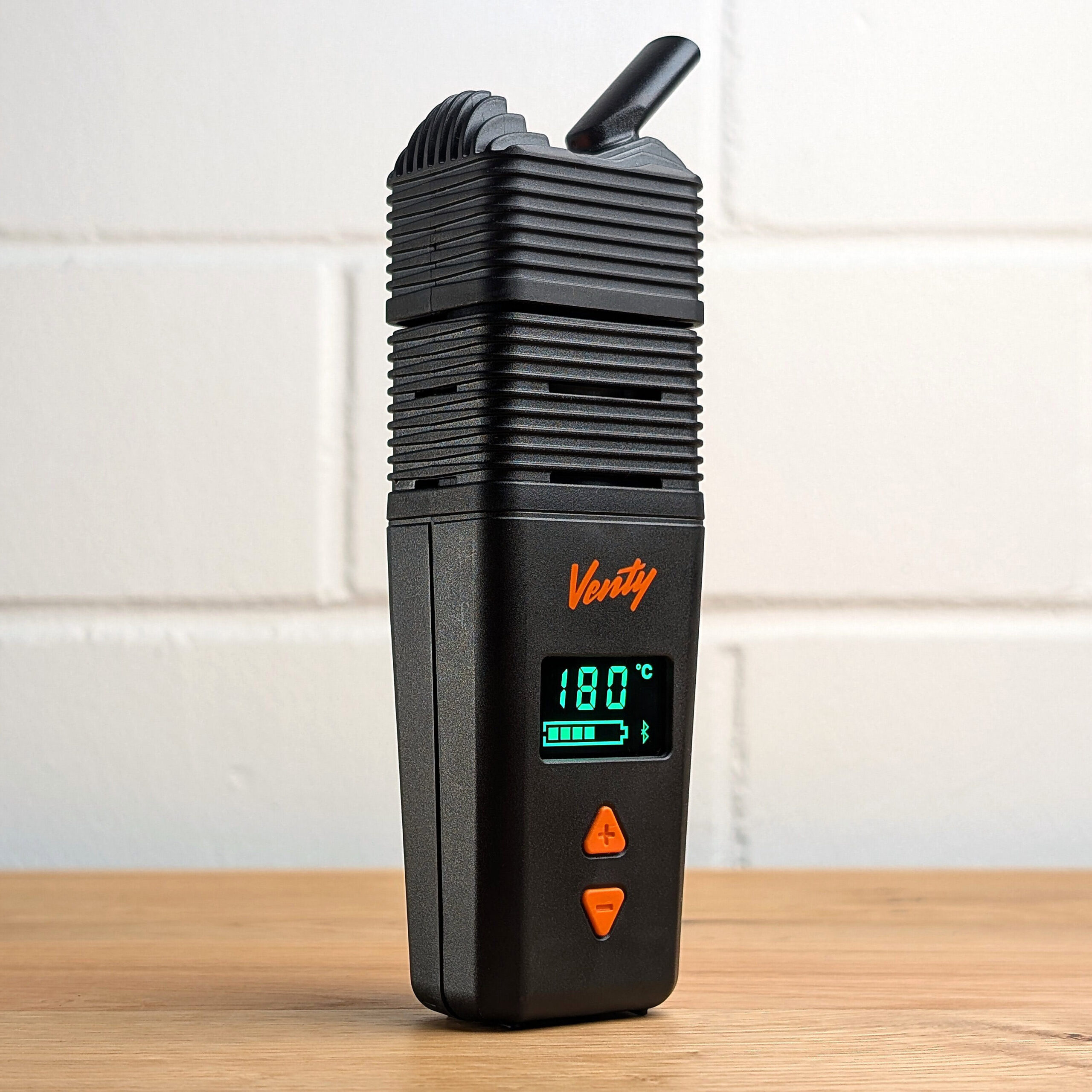
The gold standard for medical vaporizers. The company manufactures its devices entirely in Tuttlingen, Baden-Württemberg. Since all assembly and quality control take place in Germany, the price structure remains unaffected by Chinese export taxes.
- Models: Venty, Veazy, Mighty+, Crafty+, Volcano Hybrid.
- Storz & Bickel – “Made in Germany”
2. Limelight Herb (Serbia) – Frolic
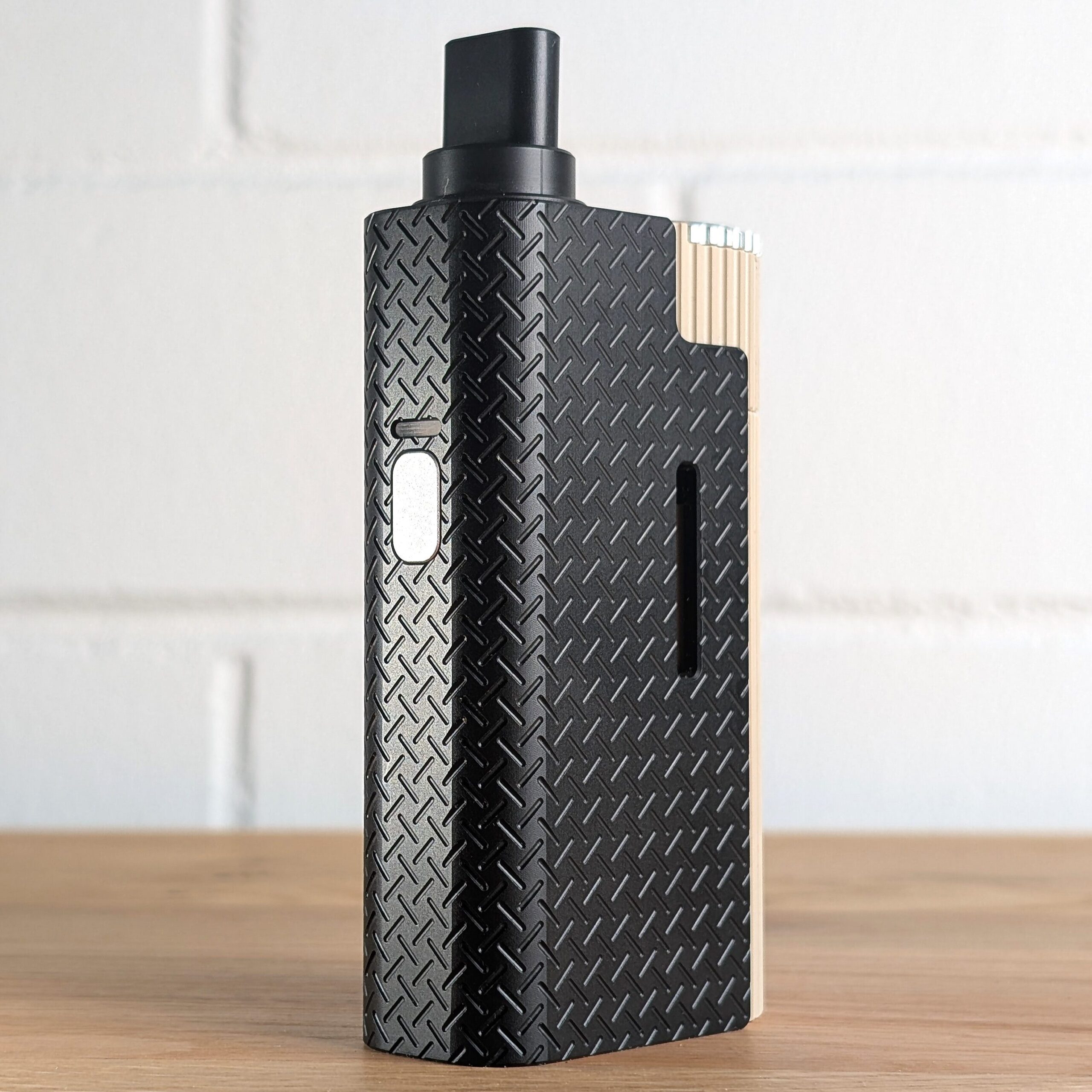
The Frolic is a high-end “Thermal Extractor” handmade in Jagodina, Serbia. A powerful 120W hybrid heating system ensures efficient and even extraction. The body of the Frolic is made of high-quality Ultem (PEI) and PEEK, while the air path is completely isolated and manufactured entirely from high-temperature resistant PEEK. Due to local manufacturing in Europe, the brand is completely independent of Asian tax developments.
- Special Feature: Operated with a 21700 battery, heats up in about five seconds.
- Limelight Herb Official – “Made in Serbia”.
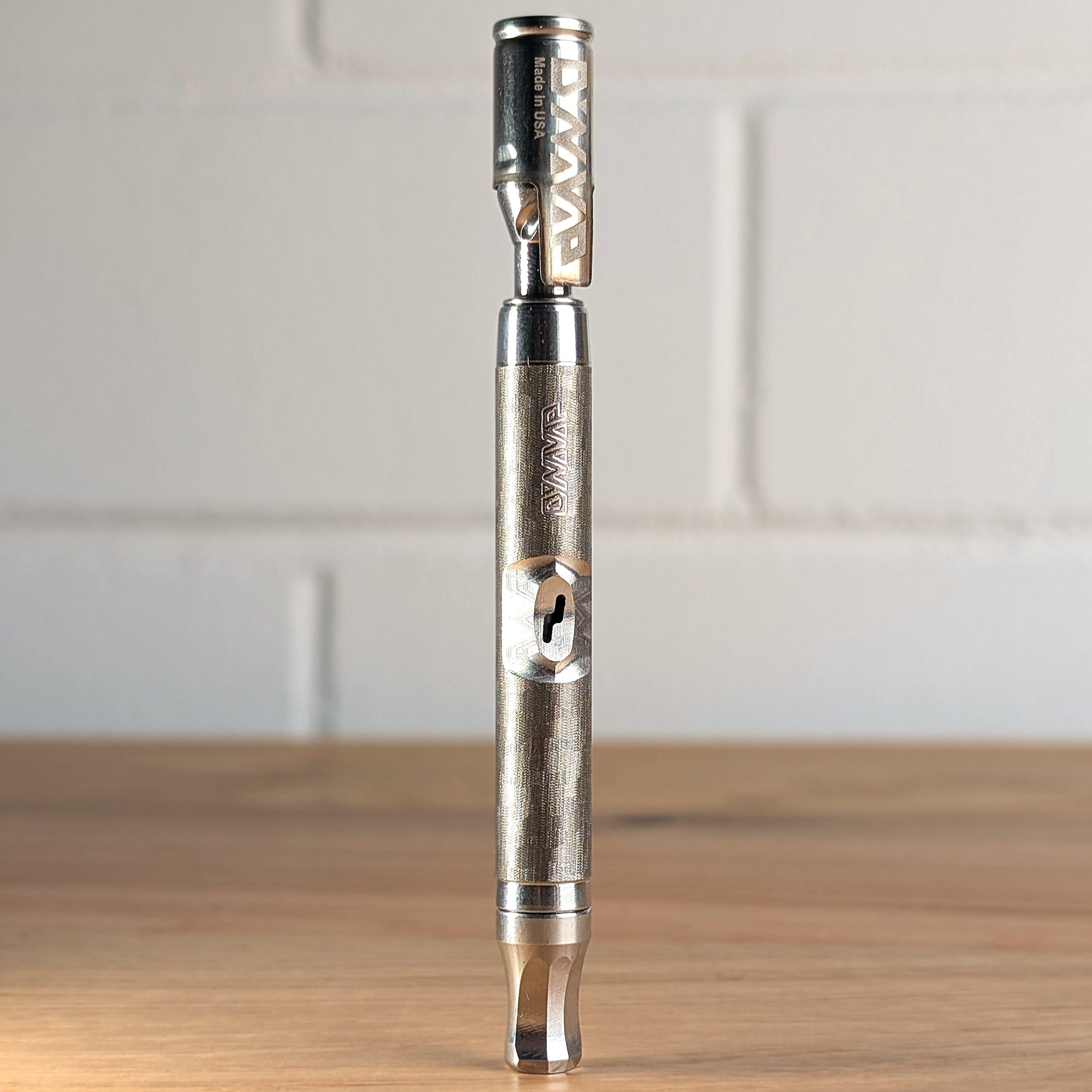
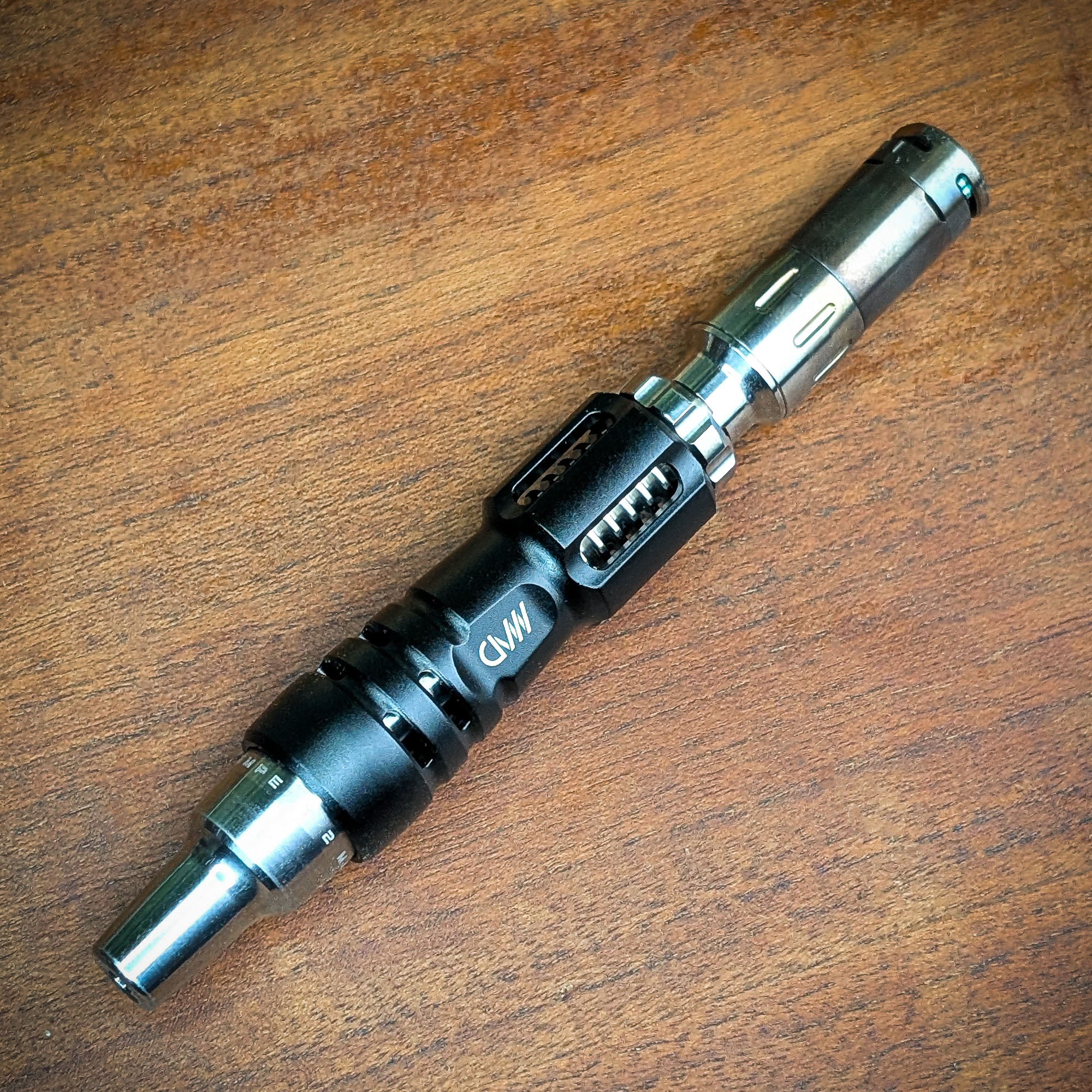
DynaVap produces its battery-free vaporizers in its own factory in Wisconsin. Since these devices work purely mechanically and do not require complex Chinese chip electronics, the dependence on China is minimal here.
- Models: M7, WoodWynd, Hyperdyn, VonGX.
- Source: DynaVap – Manufacturing in the USA
4. Tinymight (Finland)
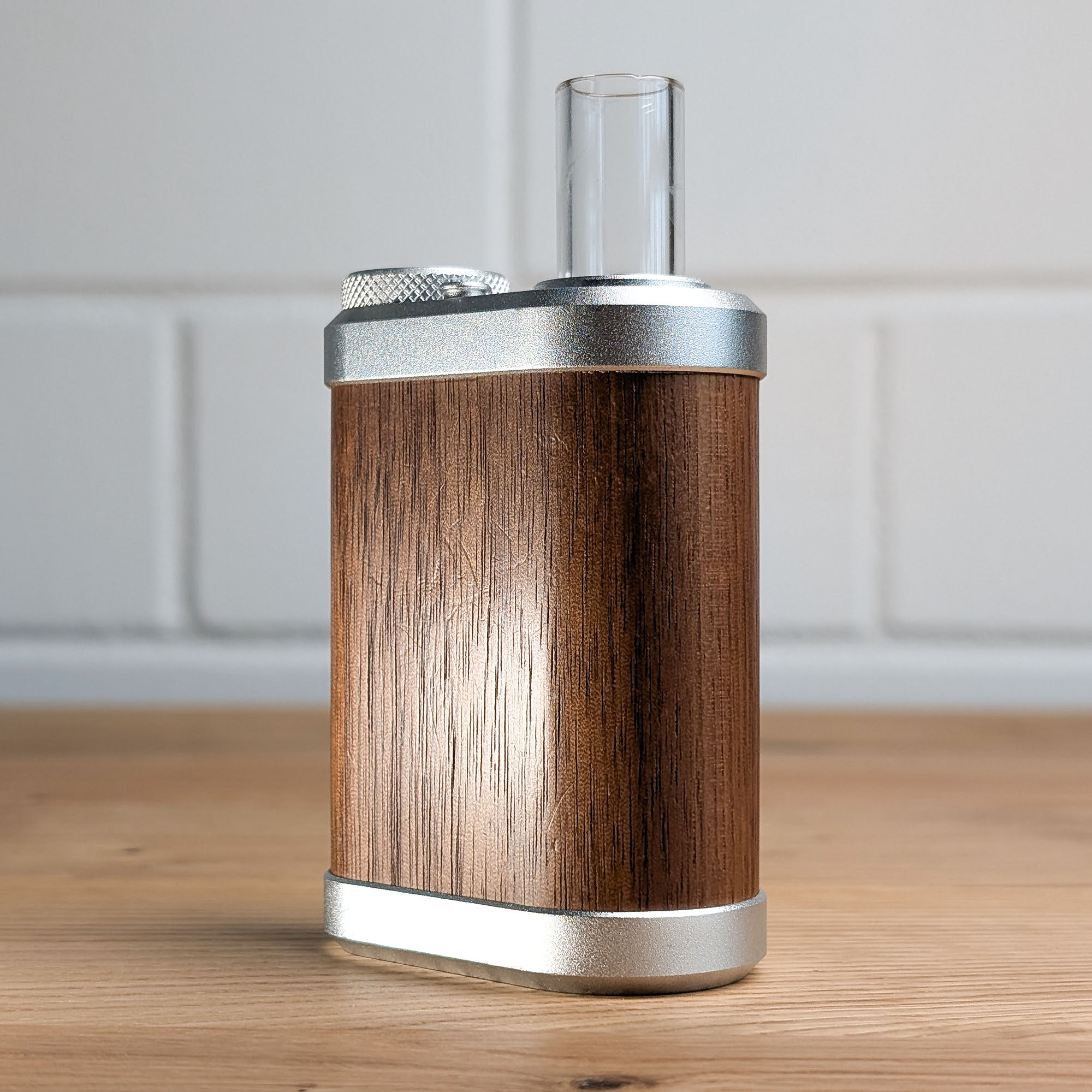
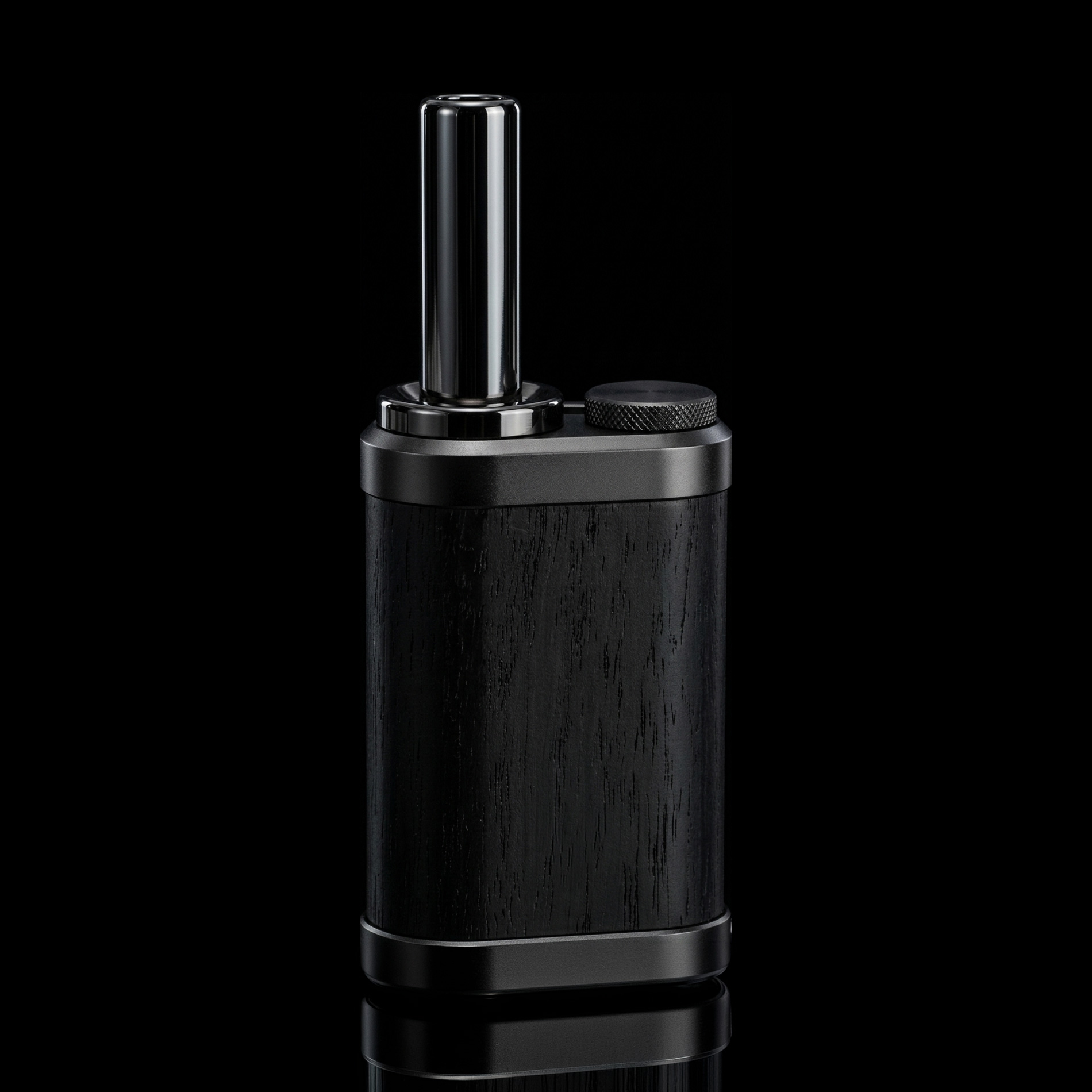
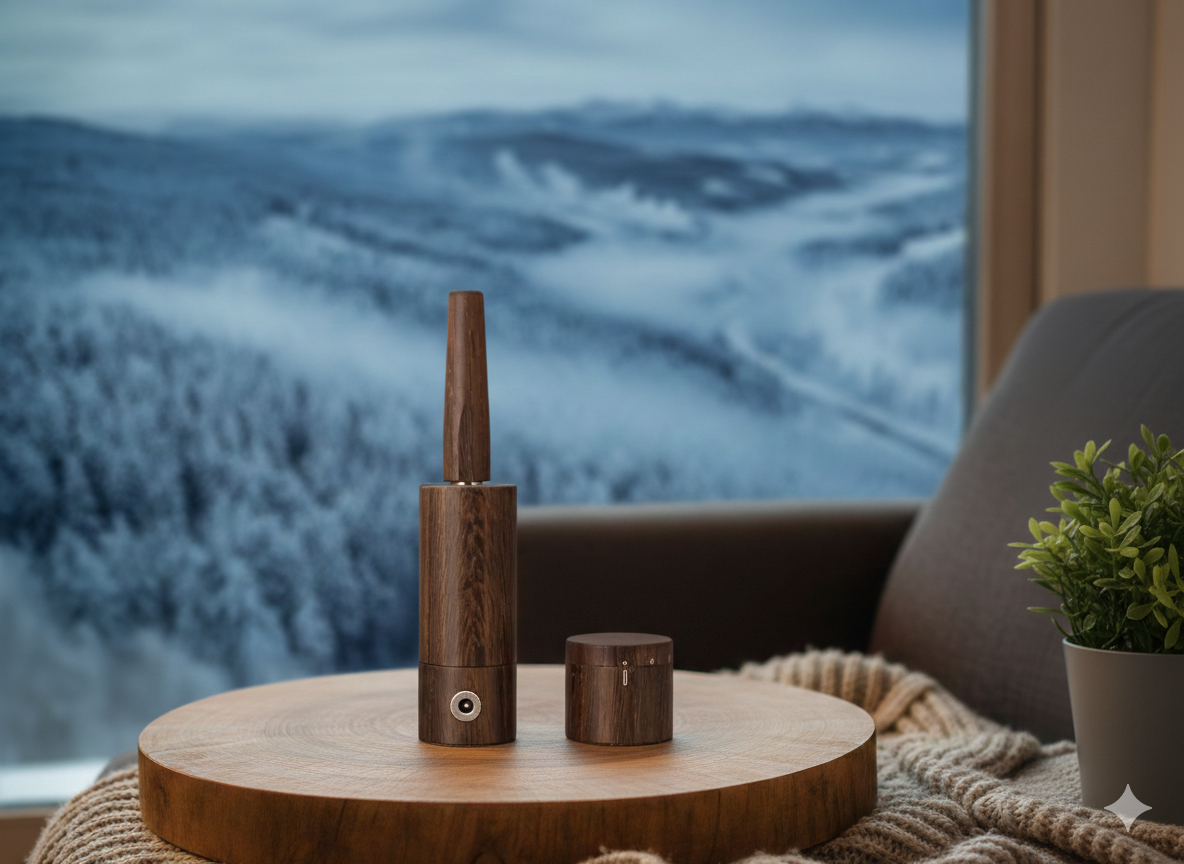
One of the most powerful portable convection vaporizers on the market. Every device is handmade in Finland. Tinymight relies on high-quality local materials such as Finnish birch or walnut combined with stainless steel components.
- Model: Tinymight 2
- Source: Tinymight Vape – Made in Finland
5. Vapman (Italy/Switzerland)
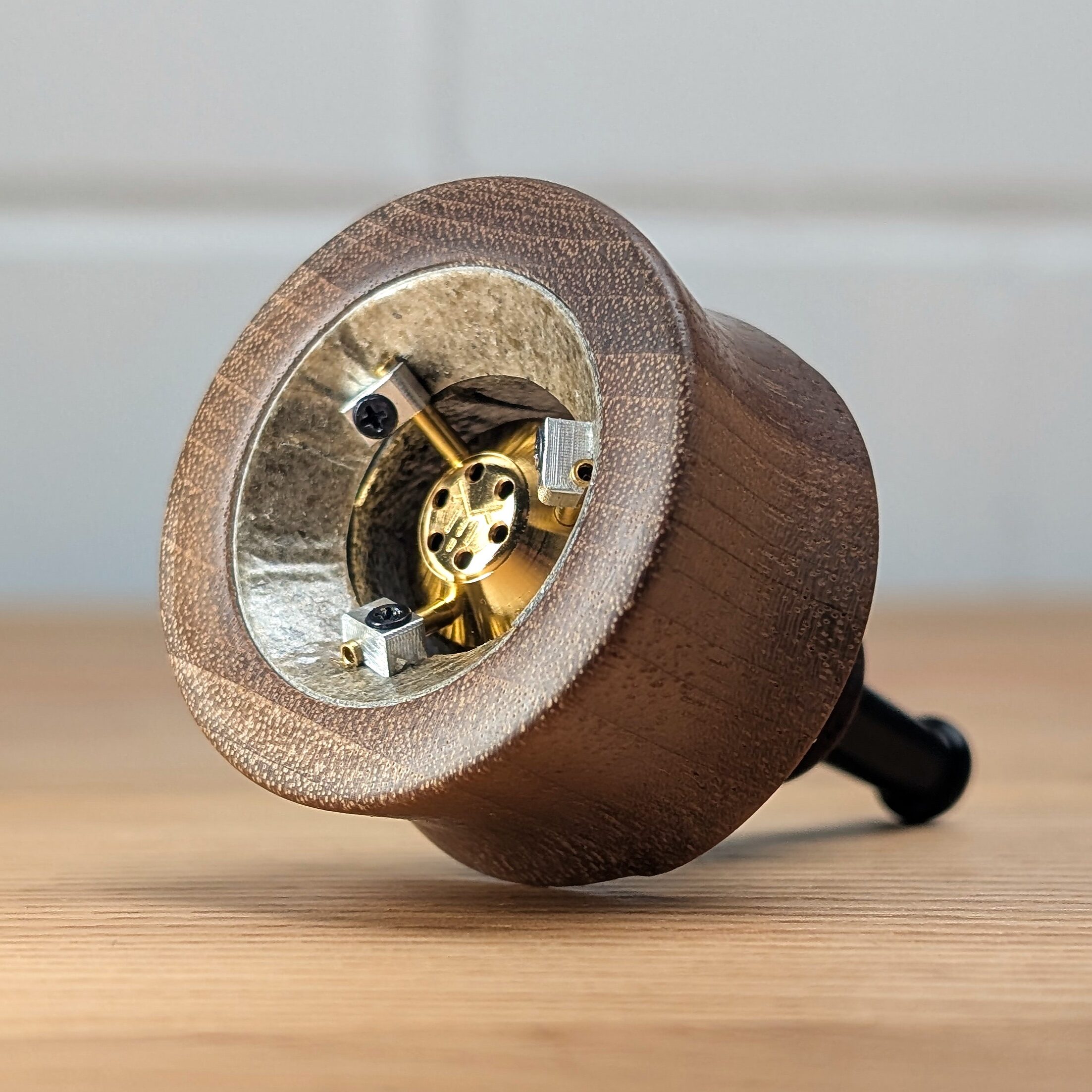
A prime example of European craftsmanship. The Vapman was developed in Switzerland and is now manufactured in South Tyrol (Italy). Production utilizes local resources such as olive wood and precisely manufactured components from local production.
- Model: Vapman Click Classic / Vapman 2.0.
- Source: Vapman – Handmade in Italy
Conclusion for buyers
Those who want to ensure their device is not influenced by international customs wars or tax changes in China will find crisis-proof alternatives in these brands. Especially devices like the Frolic, Venty, or the Tinymight 2 prove that high-end performance “Made in Europe” is a trend for 2026.
Tips for Vaporizer Buyers
For consumers, this market change primarily means keeping an eye on long-term developments.
A few practical tips:
- Quality devices often retain their value longer.
- Long-lasting vaporizers can be more worthwhile in the long run than cheap disposable products.
- Spare part availability and service are becoming increasingly important.
Many experienced users therefore deliberately choose devices with good repairability and stable manufacturer structures.
FAQ
Will vaporizer prices rise immediately?
Not necessarily. Existing stock, current supply contracts, and competition may delay price changes initially.
Are all vaporizers affected?
No. The regulation is primarily aimed at e-cigarette products. Dry herb vaporizers may be treated differently depending on their customs classification.
Why was the refund abolished?
The exact political objectives were not fully explained. Possible reasons could include industrial policy or regulation of the vape sector.
Conclusion
The abolition of the Chinese export tax refund for e-cigarettes and related devices is a major shift for the global vape industry. Manufacturers are losing a cost advantage of around 13%, which was previously often factored into export prices.
Even if dry herb vaporizers do not necessarily fall directly under the new regulation, indirect effects on supply chains, production costs, and market structures could emerge.
Whether this actually leads to noticeable price increases for vaporizers will likely only become clear in the coming months.