Humanity has always been very creative when it comes to getting high. Even our earliest ancestors discovered the effects of different plants and substances – sometimes by accident, sometimes by observing animals, sometimes through deliberate experimentation. In archaic societies, mind-altering substances were used not only to enhance well-being, but also for magical, religious and medical purposes.
Inhaltsverzeichnis
- 1 Origins: Vapor and Healing in Antiquity
- 2 First Technical Developments and Patents
- 3 The Vaporizer Revolution: Eagle Bill and the 90s / the First Manual Vaporizer
- 3.1 BC Vaporizer – 1994 (Canada)
- 3.2 Aromed – 1997 (Germany)
- 3.3 Verdamper – 1997 (Netherlands)
- 3.4 Vaporbrothers Box – 1999 (USA)
- 3.5 Volcano Classic – 2000 (Storz & Bickel, Germany)
- 3.6 Vapro – 2005 (USA)
- 3.7 Vapman – 2005 (Switzerland)
- 3.8 Herborizer – 2005 (France)
- 3.9 Arizer V-Tower / Extreme Vaporizer – 2007 / 2008 (Canada)
- 3.10 Iolite – 2009 (Ireland)
- 3.11 Vapbong – 2009 (Spain)
- 3.12 Magic Flight Launch Box – 2009 (USA)
- 3.13 Element Pocket Vaporizer – 2011 (Switzerland)
- 3.14 Arizer Solo – 2011 (Canada)
- 3.15 DaVinci Classic Vaporizer – 2011 (USA – China)
- 3.16 Lotus Vaporizer – 2012 (USA)
- 3.17 G-Spot Vaporizer – ca. 2012 (Germany)
- 3.18 PAX – 2012 (Ploom, USA)
- 3.19 Mighty & Crafty – 2014 (Storz & Bickel, Germany)
- 3.20 MiniVap – 2014 (Spain)
- 3.21 Sublimator – 2014 (Canada)
- 3.22 DynaVap – 2015 (USA)
- 3.23 Flowermate – 2015 (China)
- 3.24 Grasshopper – 2016 (USA)
- 3.25 Outlook
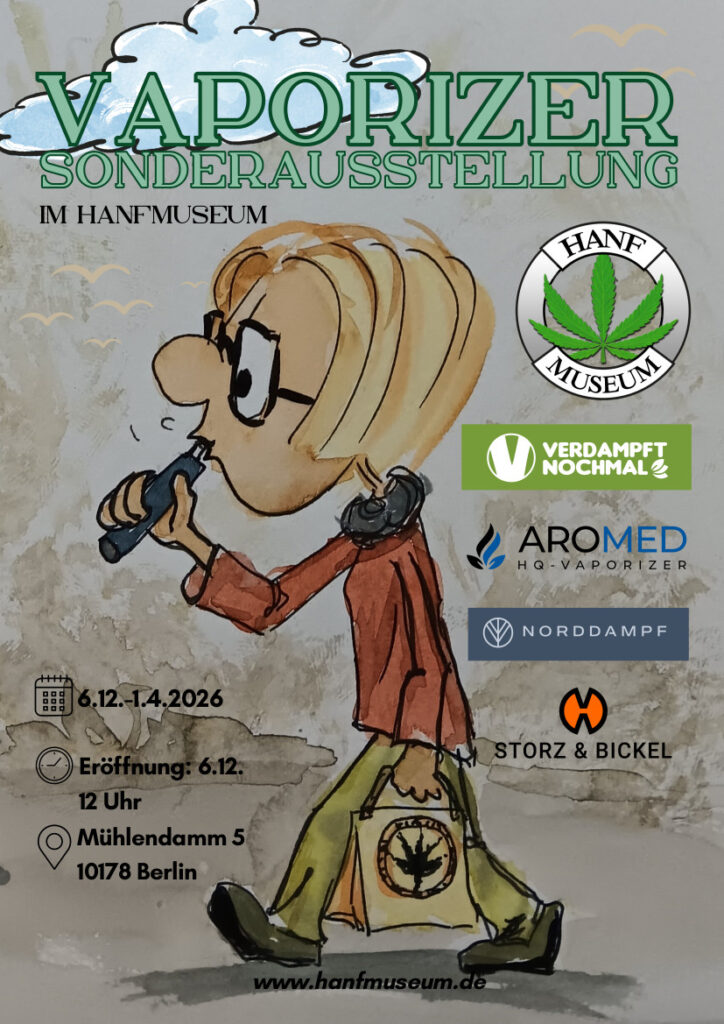
- 4 There is a special vaporizer exhibition at the Hanf Museum Berlin
Origins: Vapor and Healing in Antiquity
Among the Scythians, a nomadic horse people who appeared as early as the 8th to 7th century BC, the practice of vaporizing herbs and aromatic plants was already known. Around the same time, and later on, ancient high cultures such as the Greeks and Romans (whose heyday began around 800 BC) also used this method in their rituals and bathhouses.
In their bathhouses, they used hot stones doused with aromatic oils and plants to create therapeutic vapors that were believed to promote health and well-being. This art of vaping and aromatherapy spread in various ritual forms, including among early North African cultures (which had their own traditions long before the Roman conquest).
First Technical Developments and Patents
The leap to the technical vaporizer didn’t happen until the 20th century. In 1927, American inventor Joseph Robinson filed the first patent for an “electric cigarette.” Although the device was never marketed, Robinson is considered a pioneer. In the 1960s, Herbert A. Gilbert developed the first smokeless e-cigarette, intended to make inhaling vapor a less harmful alternative. It would take decades, however, before such devices actually came to market – the technology was simply ahead of its time.
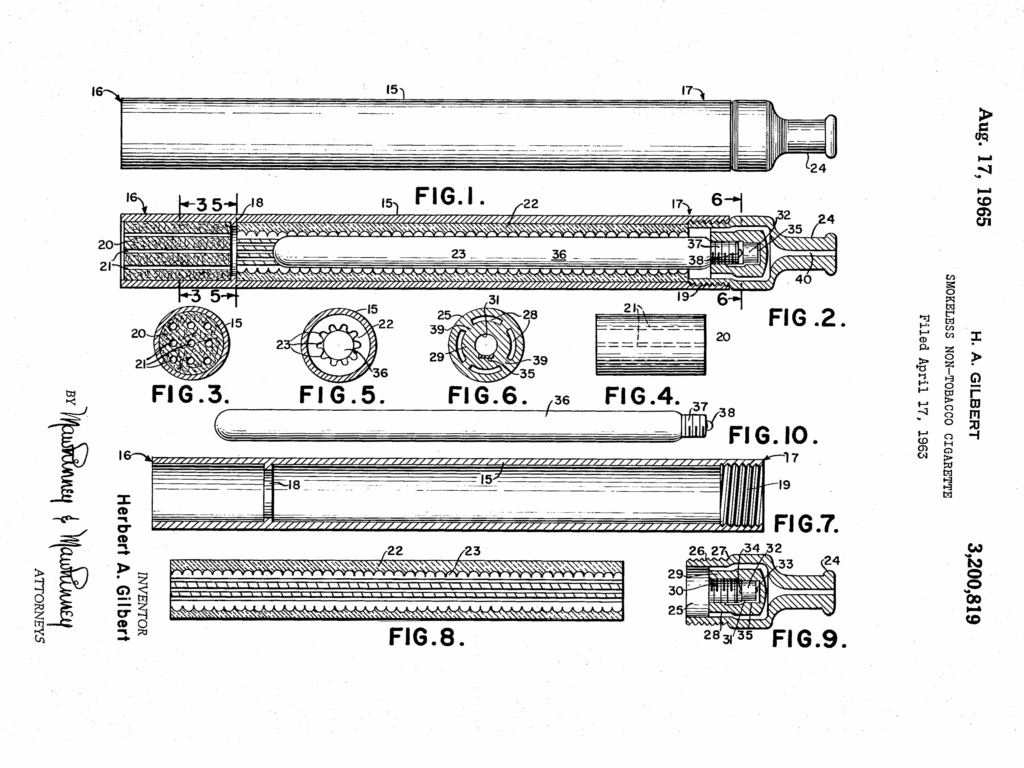
The leap to technical vaporizers in the 20th century and the early e-cigarette patents were crucial for cannabis vaporizers because they established the underlying technological principle of electrically powered heating of materials without combustion. This is exactly the basis on which later, more specialized cannabis vaporizers for inhaling active compounds like THC were developed.
The Vaporizer Revolution: Eagle Bill and the 90s / the First Manual Vaporizer

In the 1990s, Eagle Bill Amato set an important milestone with his “Shake & Vape” model. Inspired by traditional peace pipes and the desire for toxin-free inhalation, Eagle Bill invented the first handy convection vaporizer specifically for cannabis.
The basic idea: The herbs are vaporized by hot air instead of being burned.
This revolutionary method quickly became popular, especially after Eagle Bill presented his device at the Cannabis Cup in Amsterdam. Today, Eagle Bill is widely regarded as the true inventor of cannabis vaporizing. Here’s a video in which Eagle Bill shows his invention.
BC Vaporizer – 1994 (Canada)
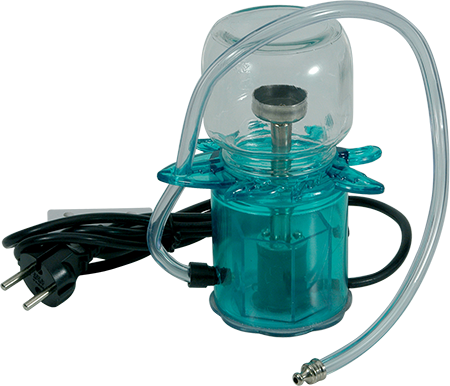
The BC Vaporizer is considered the first electronic desktop device on the vaporizer market.
Type: Desktop vaporizer
Technology: Conduction (metal plate)
Special features: First electric desktop vaporizer for home use
Significance: Blueprint for modern home devices
Function and Operation
The device uses conduction and features an electric heating plate in a compact desktop housing. Finely ground herbs are placed on a screen above the heating plate. After switching on, the plate heats up within a few minutes. The user has to find the sweet spot for inhalation through experience, because temperatures that are too high will burn the herbs.
You inhale the vapor through a simple plastic tube with a mouthpiece. For full flavor, slow, gentle draws are recommended.
Aromed – 1997 (Germany)
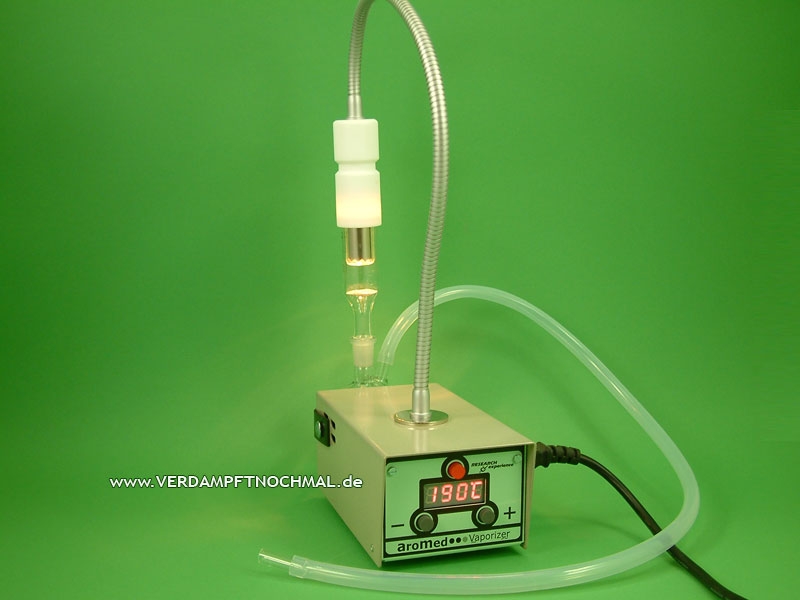
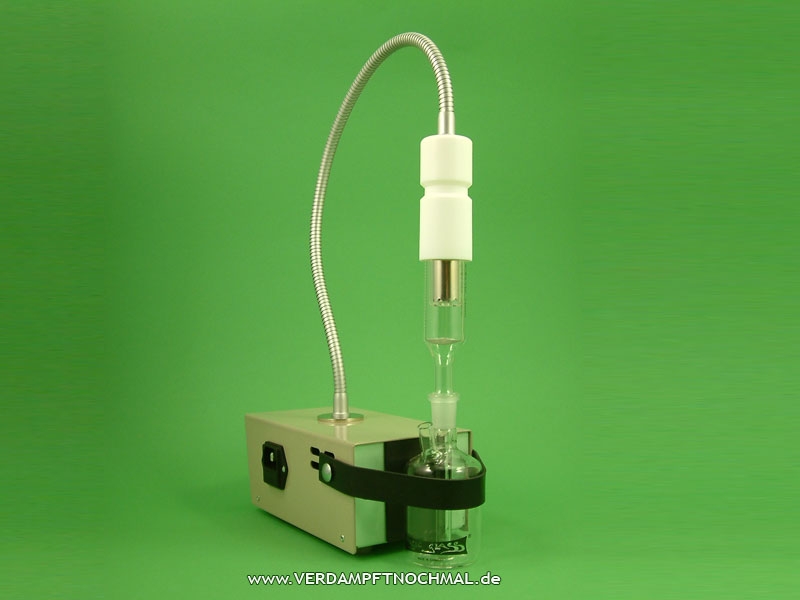
The Aromed was the first vaporizer with medical approval and uses a halogen lamp as a heat source.
Type: Medical desktop convection vaporizer
Technology: Halogen lamp heating, precise air temperature control
Special features: Glass construction, focus on purity and precise dosing
Significance: Reference device for medical and therapeutic applications
Function and Operation
The halogen lamp heats air, which is directed through a glass tube containing the herb chamber. The user sets the exact desired temperature on the display – crucial for targeted release of specific active compounds.
Inhalation is via hose or optionally with a water filter. Ideal results are achieved with dry, medium-finely ground plant material.
Meanwhile, the Aromed 4.0 is available and remains a popular model among medical users.
Verdamper – 1997 (Netherlands)

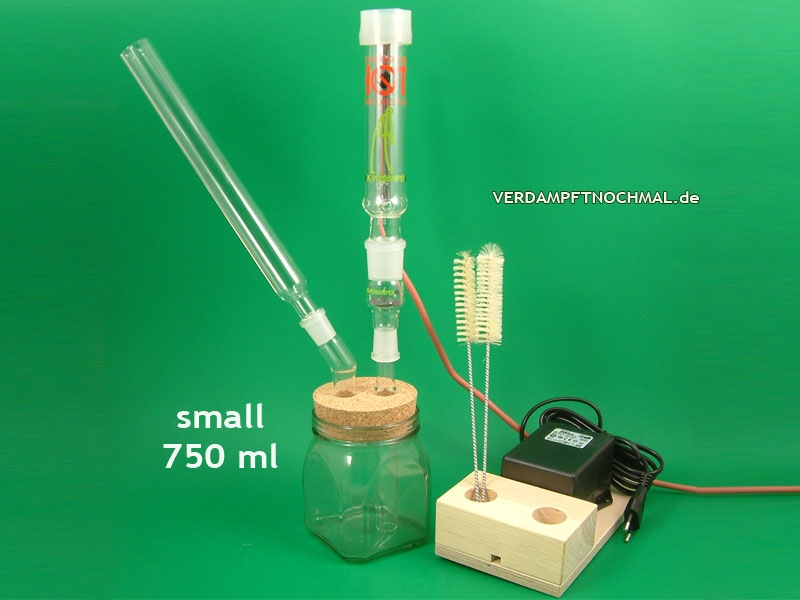
The Verdamper combines modern vaporizing with classic bong enjoyment. Its status as a beloved classic is still unbroken!
Type: Glass and water-filter vaporizer
Technology: Convection, electric heating element
Special features: Huge bowl, bong-style principle
Significance: Cult device for pure, cooled vapor
Function and Operation
An electric heating element sits just above the glass chamber. Fill in herbs, connect the device, choose a temperature, place the heater on top. When you draw, very hot air flows through the plant material and the resulting vapor is cooled very effectively by water. Ideal usage: inhale slowly with steady draws to maximize vapor production and cooling.
Vaporbrothers Box – 1999 (USA)
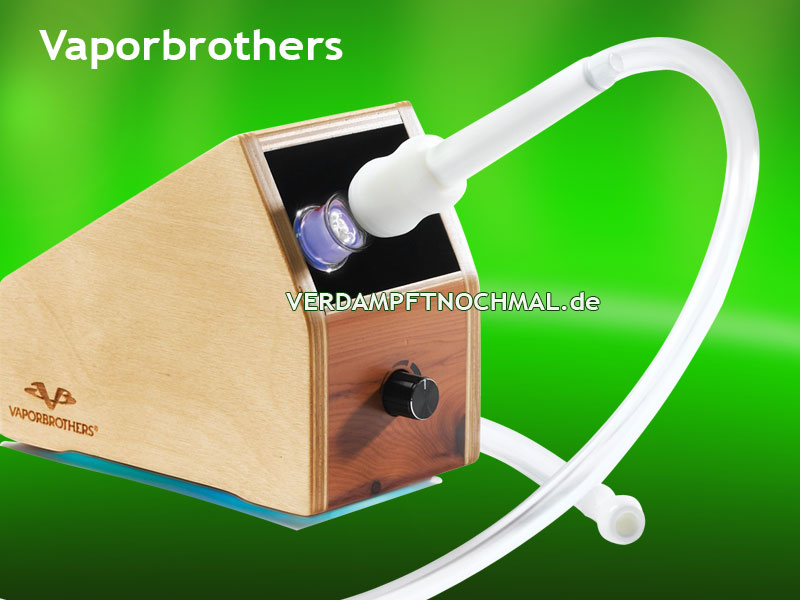
The company Vaporbrothers made a name for itself in the USA with its box-style vaporizer and played a key role in popularizing desktop vaporizers.
Type: Desktop convection vaporizer
Technology: Electric heating element, wooden housing
Special features: First “box-style” vaporizer
Significance: Expanded the desktop segment with affordable technology
Function and Operation
After the heating unit has warmed up, a glass whip with the attached, filled herb chamber is placed onto the heater. With slow, controlled draws, hot air flows from the heating point through the plant material directly into the whip.
Volcano Classic – 2000 (Storz & Bickel, Germany)
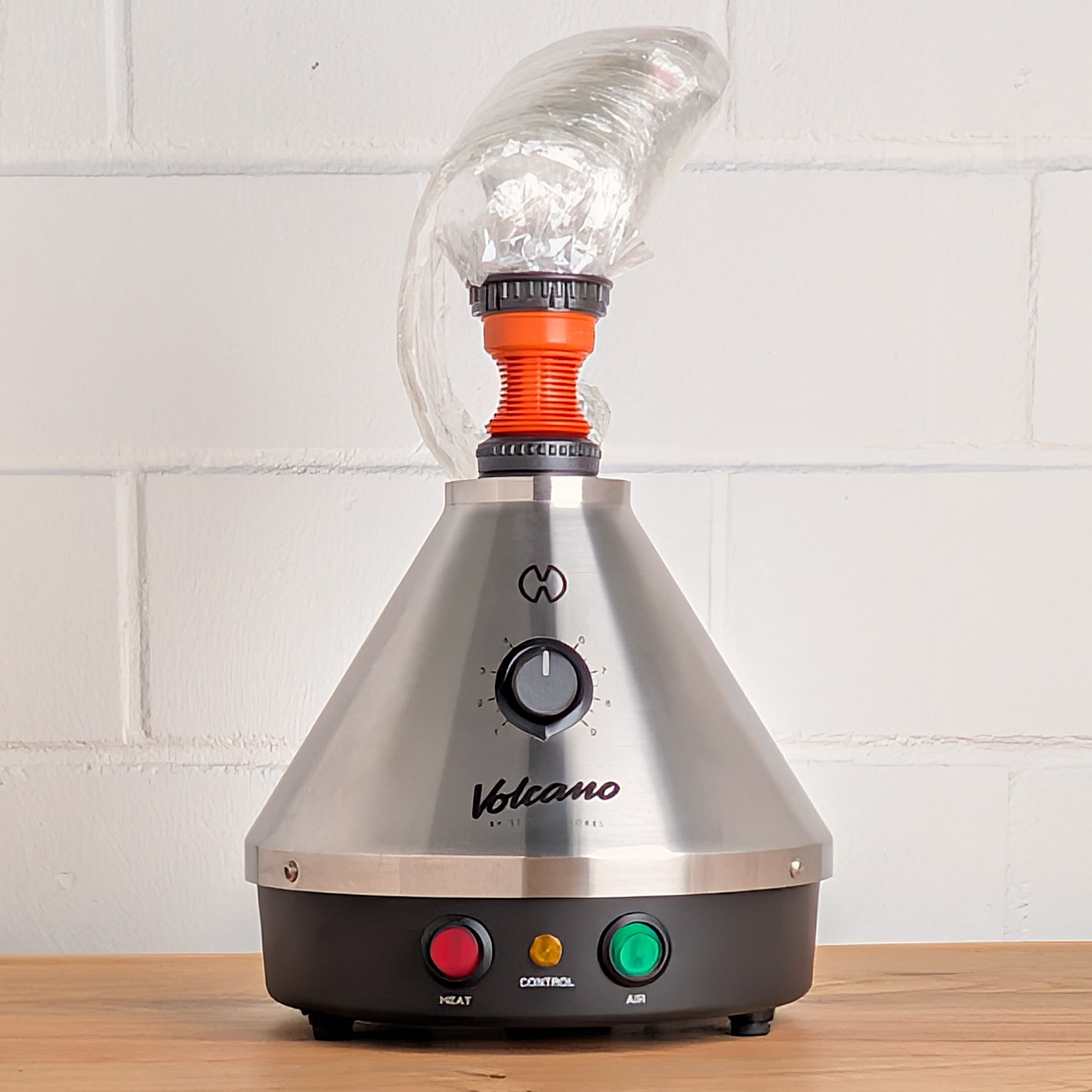
Markus Storz brought the VOLCANO vaporizer to market. With its patented balloon system and precise temperature control, this innovation set the gold standard worldwide for quality and efficiency and is also used in scientific and medical cannabis contexts. Today, the manufacturer offers numerous further models and variants. You can find the full story of Storz & Bickel here.
Type: Desktop convection vaporizer with balloon
Technology: Precise temperature control, durable heating technology
Special features: Patented balloon system for capturing vapor
Significance: Industry standard, medically certified
Function and Operation
Fill the chamber with herbs, select a temperature with the dial and preheat the device. When the fan is turned on, hot air is pushed up through the herbs and fills a balloon with vapor. Once full, the balloon can be detached and the vapor inhaled at your own pace.
Vapro – 2005 (USA)
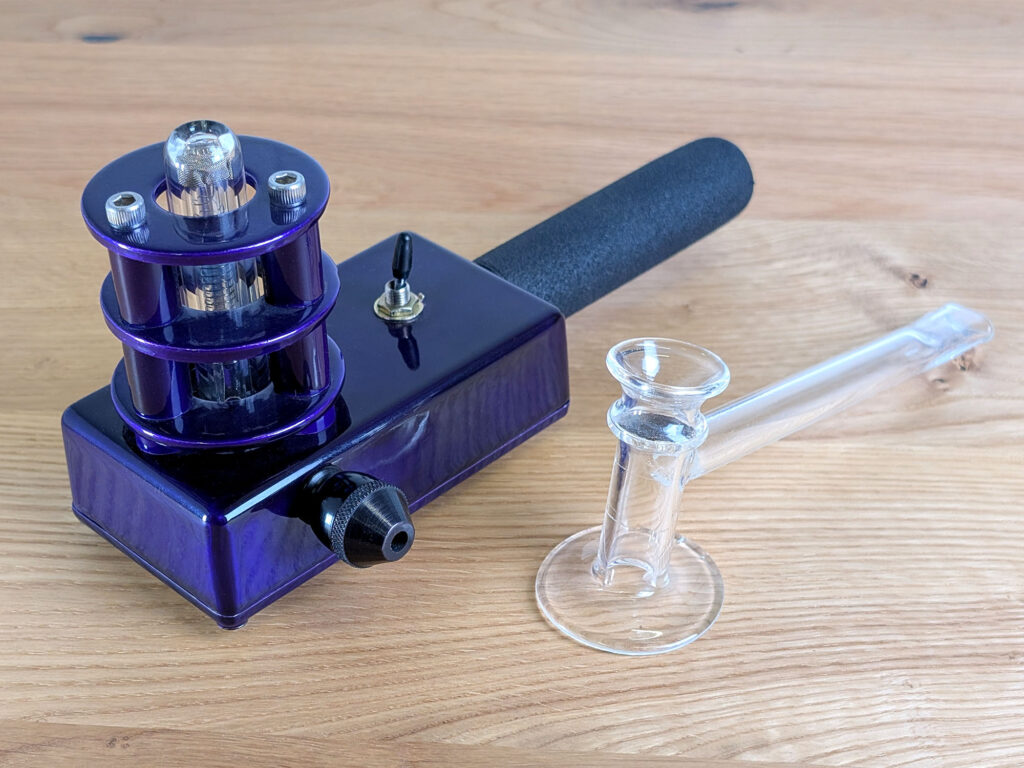
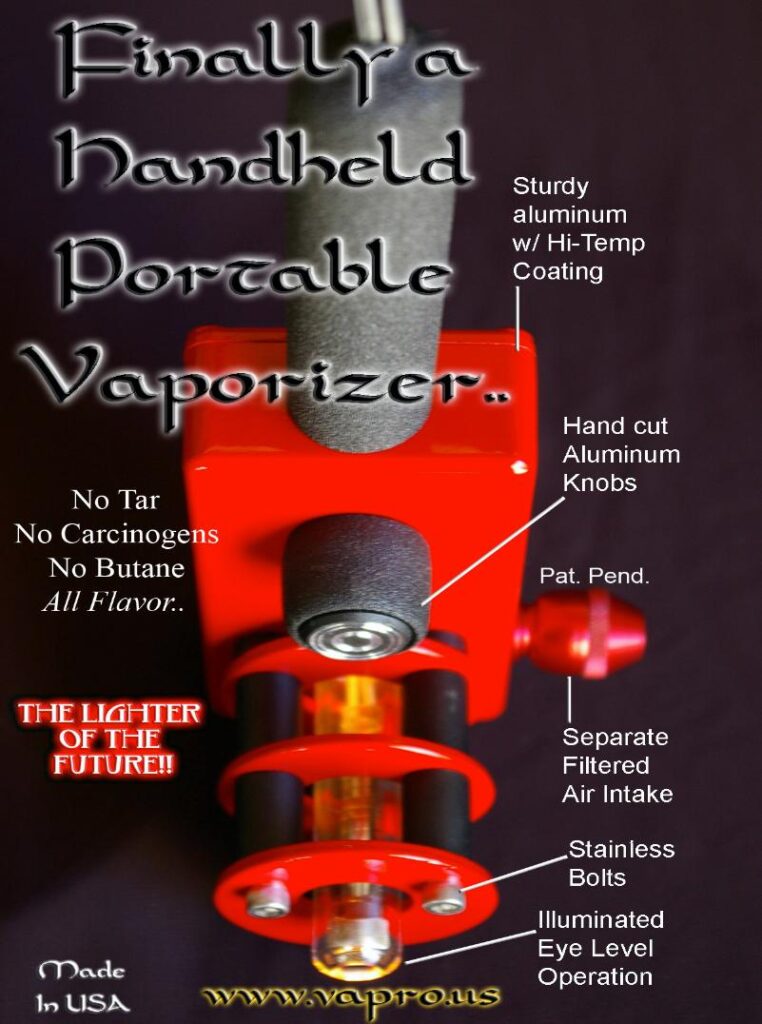
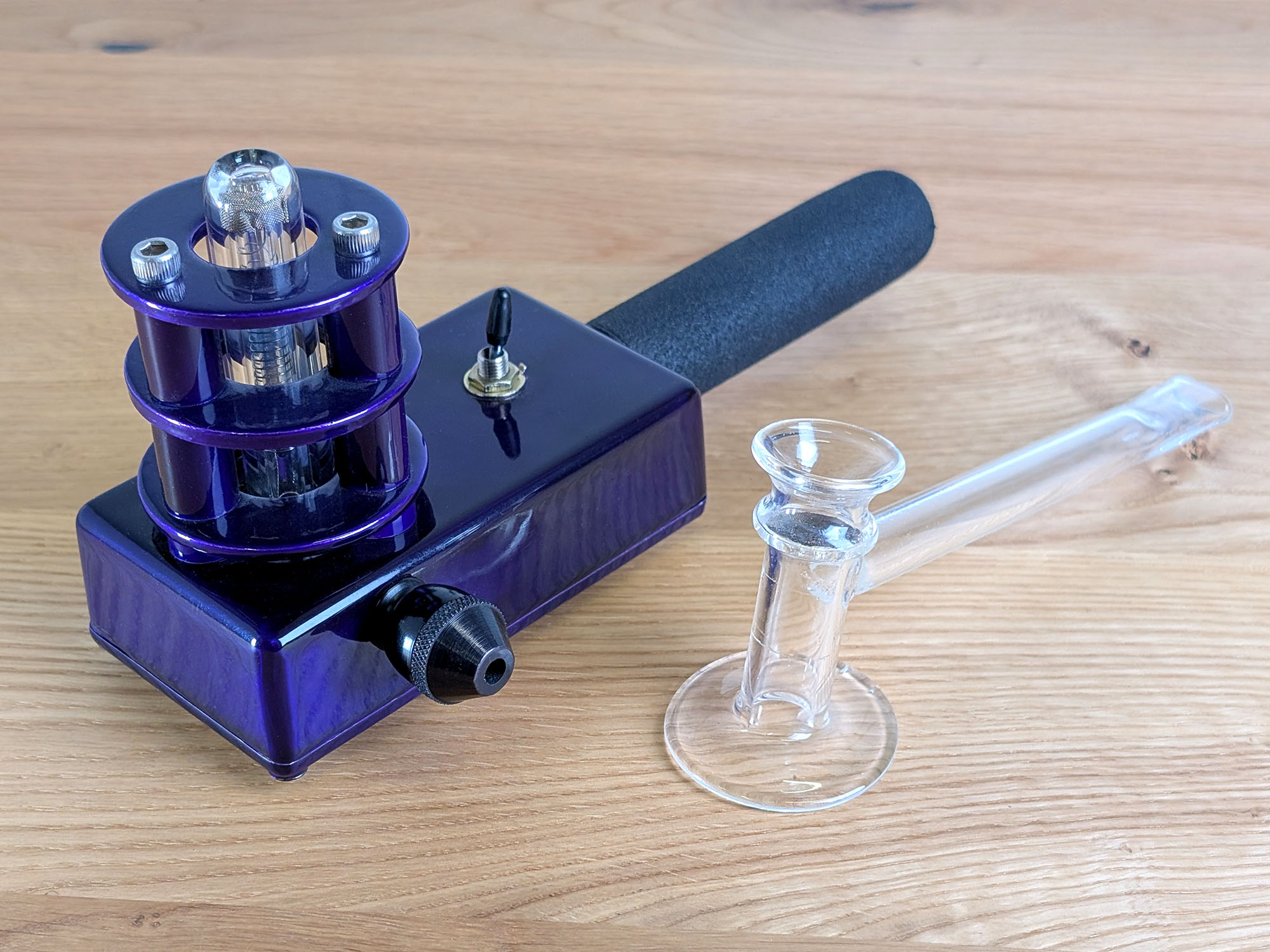
The Vapro is considered the first portable desktop vaporizer. The device combined a convection heater and a glass pipe in one compact system. Although it required an external 12-volt power source, this made the Vapro flexible on the go – for example in a car or camper van.
Type: Desktop convection heater with glass pipe
Technology: Electric heating coil encased in glass
Special features: All-glass vapor path
Significance: First truly portable convection heater
Function and Operation
Fill the glass pipe with herbs. The Vapro is placed on the pipe in a “lighter-on-pipe” style (glass on glass) and heated at the push of a button.
Vapman – 2005 (Switzerland)
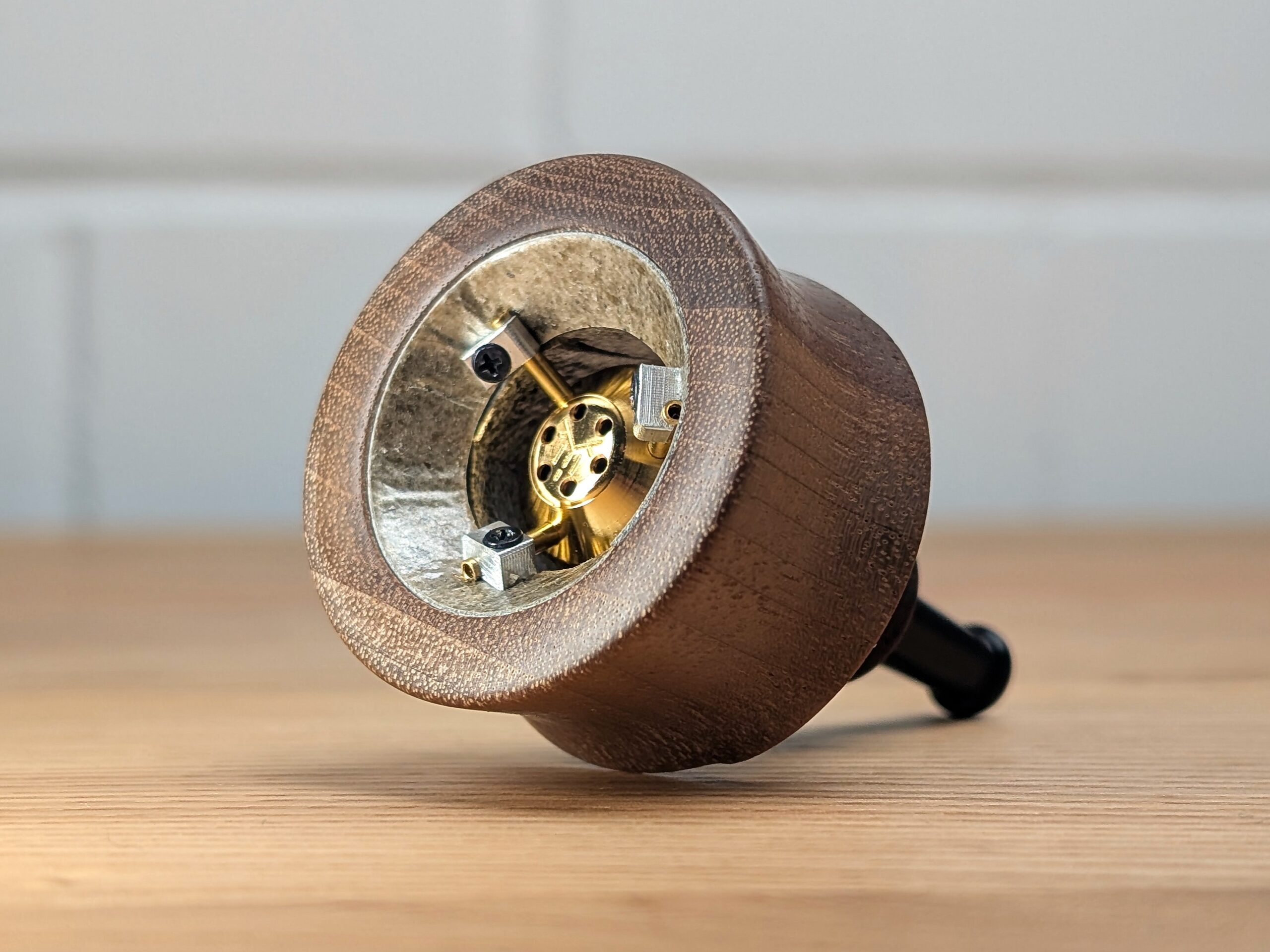
The Vapman is a manual vaporizer heated with a jet lighter. It is still very popular today and is particularly well suited for vaporizing hash.
Type: Manual mini herb vaporizer
Technology: Direct conduction (wood & copper)
Special features: Handmade, analog, no electronics
Significance: Sustainability icon and design classic
Function and Operation
Heat the copper pan with a jet lighter for a few seconds. Vapor develops immediately and is inhaled through the mouthpiece. Thanks to its compact design, the Vapman is perfect for solo sessions.
Herborizer – 2005 (France)
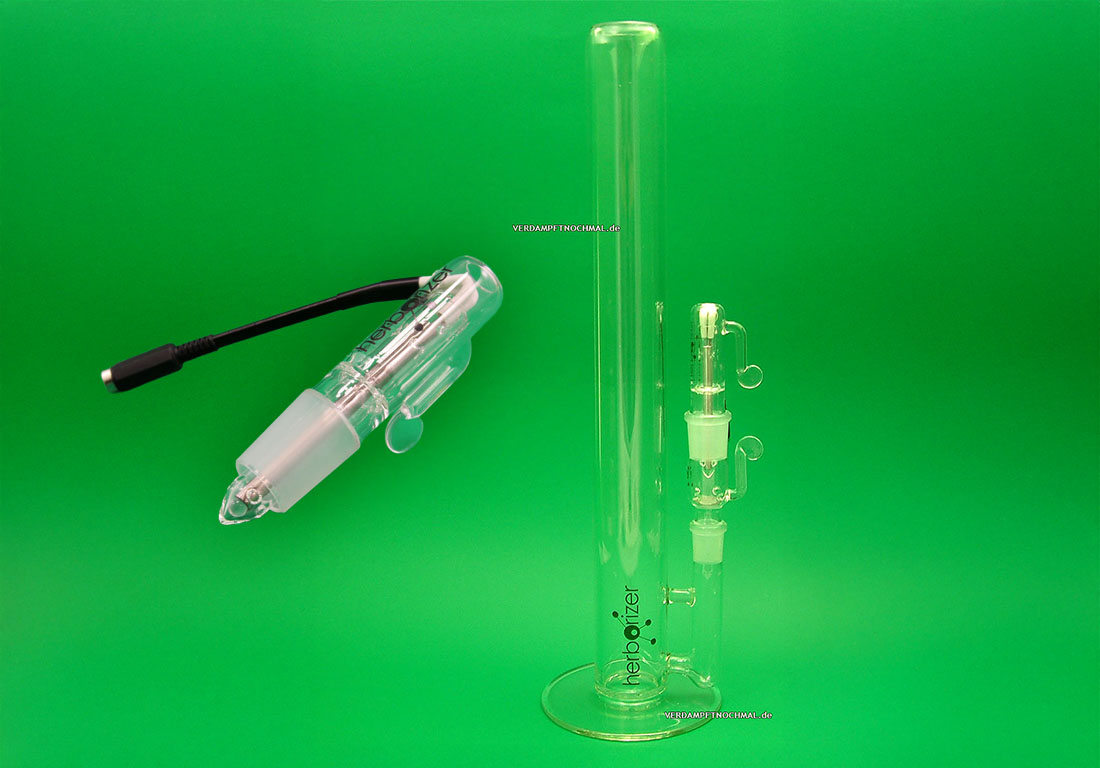
In 2009, the Herborizer vaporizer stood out thanks to its precise temperature control, which allowed optimal flavor and effect from the herbs. At the same time, it offered fast heat-up times and high-quality materials such as stainless steel and ceramics, which kept the vapor particularly pure. Devices from Herborizer are still appreciated by users today, and the line has been consistently expanded with models made from titanium.
Type: Desktop combo of bong and vaporizer
Technology: Electric, heating rod above herb chamber
Special features: Water filter built directly into the system
Significance: Combines traditional French glassblowing with modern vaporizing
Function and Operation
Fill the bong with water, set up the heating element, add herbs to the chamber, choose a temperature. With strong draws, large amounts of mild, water-cooled vapor are produced.
Arizer V-Tower / Extreme Vaporizer – 2007 / 2008 (Canada)
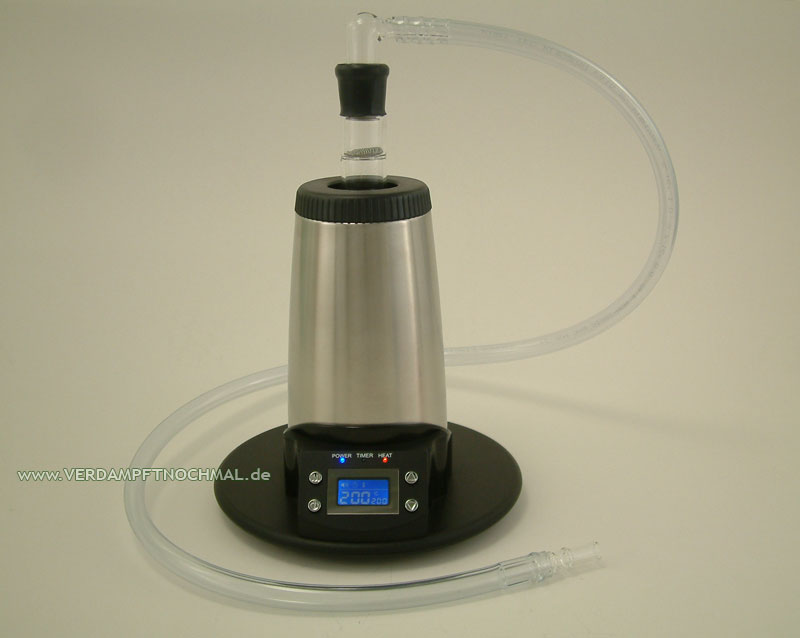
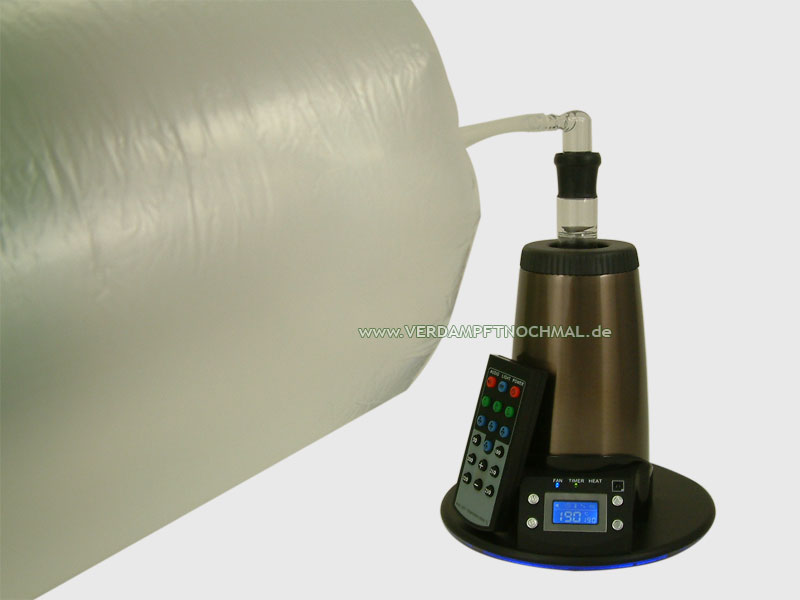
Arizer offers a Volcano-like concept at a significantly lower price, making vaporizing accessible to a much wider audience. The models V-Tower and Extreme Q are extremely robust, have been continuously improved over the years and rightly enjoy classic status. With the current Arizer XQ2, the brand continues this tradition, combining proven quality with modern technology.
Type: Desktop convection vaporizer
Technology: Electric, digitally adjustable temperature
Special features: Dual operation: both balloons and whips possible, remote control
Significance: Pioneer of affordable, flexible technology
Function and Operation
Fill a fine-mesh screen in the “Cyclone Bowl” with herbs, place the bowl onto the heater, select the temperature digitally. You can either inhale directly via whip or use the fan to fill a balloon.
Iolite – 2009 (Ireland)
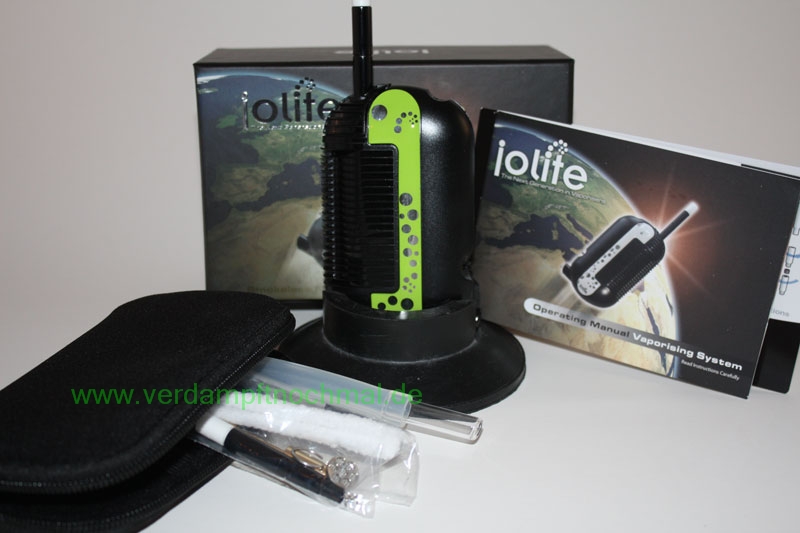
The Iolite vaporizer uses a battery-free concept and works completely independently of power outlets. Filled with ordinary lighter butane, the device offers a runtime of more than two hours and can be used almost anywhere. Although follow-up models were released, this type of vaporizer was prone to failures and eventually disappeared from the market.
Type: Butane-powered portable vaporizer
Technology: Gas-heated convection
Special features: No electronics, ideal for on the go
Significance: First truly independent mobile vape
Function and Operation
Fill the device with lighter gas (butane), then a button ignites a micro burner inside. After around 30 seconds, the heating chamber is hot enough to gently vaporize herbs. Inhalation is through the mouthpiece on the housing.
Vapbong – 2009 (Spain)
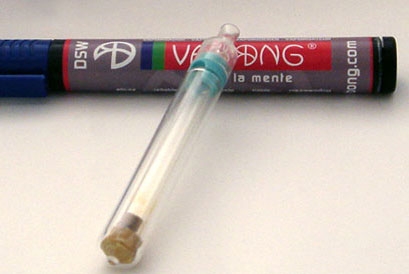
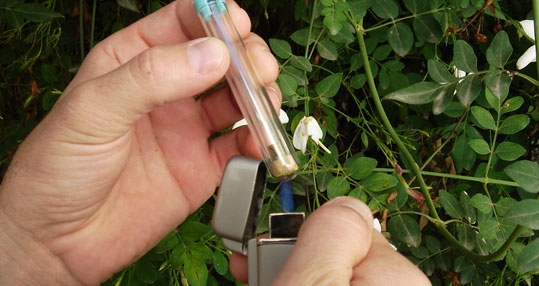
The Vapbong vaporizer is a portable, pen-sized vaporizer that gently vaporizes herbs without using electricity. Its standout feature is the high-quality glass tube, which preserves the pure taste of the vapor and is very hygienic. Thanks to its compact form and easy handling, it’s ideal for discreet vaporizing on the go. The device is still available today under the name Vaponic.
Type: Flame-heated glass vaporizer
Technology: Convection, insulated glass
Special features: Compact, robust, completely plastic-free
Significance: Purist trailblazer for portable glass vaporizers
Function and Operation
Fill the inner glass tube with ground herbs, then evenly heat the outer tube with a jet lighter. The hot air pulls the active compounds out as you inhale. The glass ensures clean, pure vapor.
Magic Flight Launch Box – 2009 (USA)

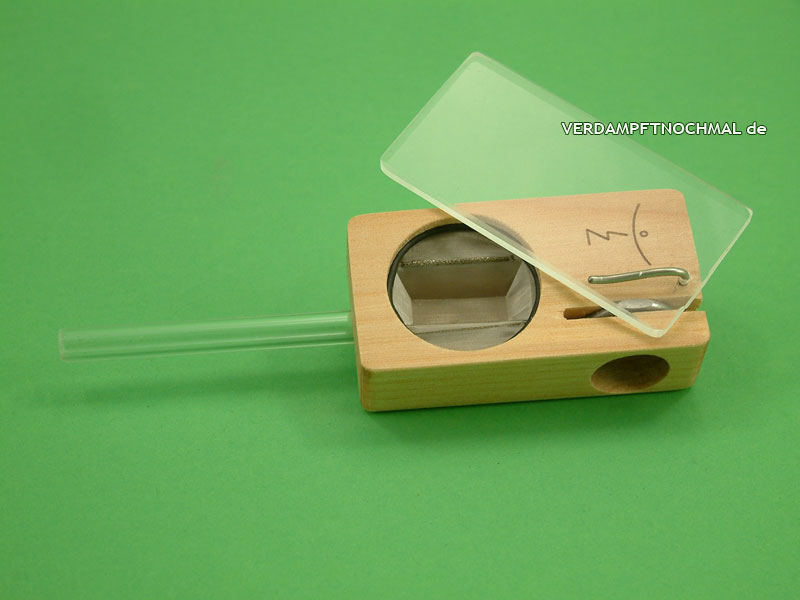
The Magic Flight Launch Box is the first truly mainstream portable, battery-powered vaporizer and has achieved cult status worldwide.
Type: Portable conduction vaporizer (manual, battery powered)
Technology: Direct conduction heating, wooden body, very small chamber
Special features: Ultra-compact, very lightweight, extremely fast 5-second heat up
Significance: Cult device from the USA – minimalist, discreet, popular among beginners and purists alike
Function and Operation
The Launch Box consists of a rectangular wooden block with a small chamber for finely ground herbs. A special, unwrapped AA battery is firmly pressed into the side opening, closing the electrical circuit. Current flows through the stainless steel screen, which immediately acts as a heating element and brings the material up to vaporization temperature in 3 to 5 seconds. At the same time, you draw slowly on the glass mouthpiece and can literally watch the vapor forming within seconds.
Element Pocket Vaporizer – 2011 (Switzerland)
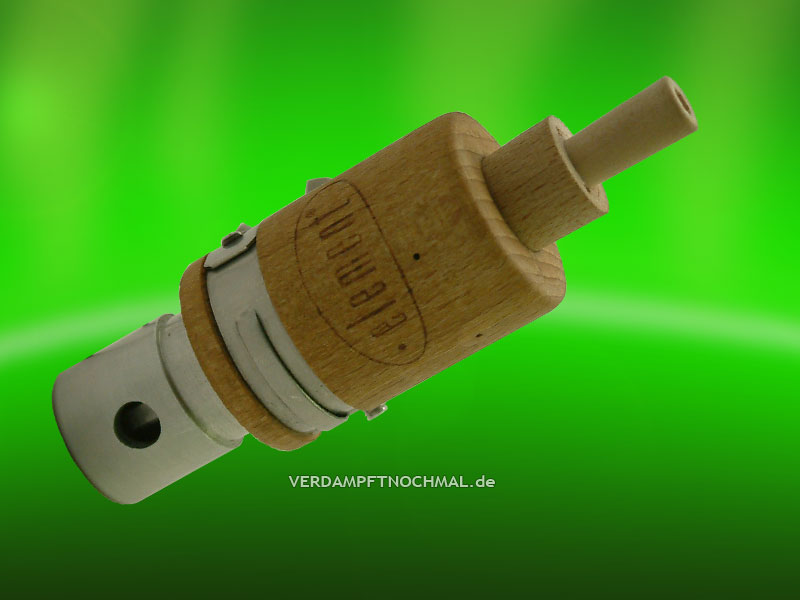
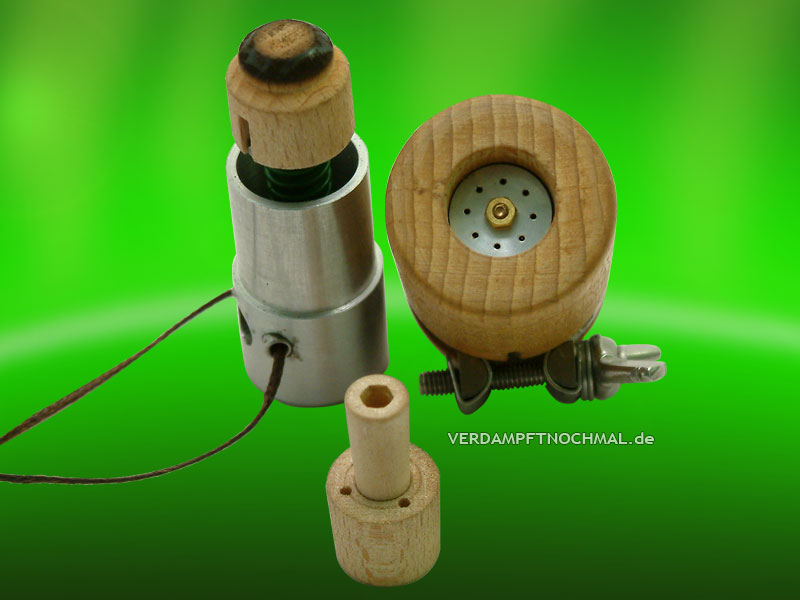
The Pocket Vaporizer by Element combines movement and a healthier way to inhale herbs without combustion. The herb chamber is heated using pure friction.
Type: Portable hybrid vaporizer
Technology: Conduction & convection
Special features: Heat generated by friction
Significance: Unique, fully mechanical vaporizer
Function and Operation
The preassembled, waxed cord is attached somewhere – for example around your foot, a door handle or a branch. Moving the vaporizer back and forth spins the friction spindle and heats the copper heat exchanger, which transfers heat into the herb chamber. Result: ready-to-inhale vapor, created purely by motion.
Arizer Solo – 2011 (Canada)
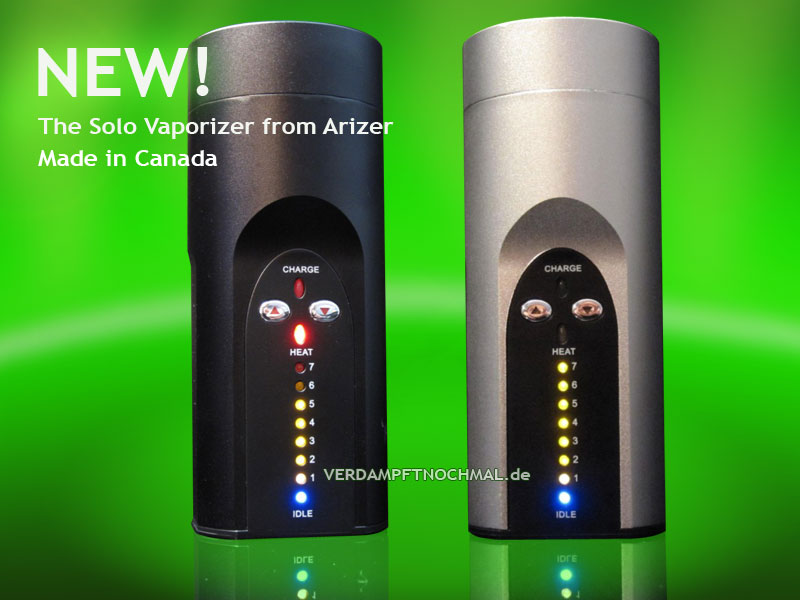
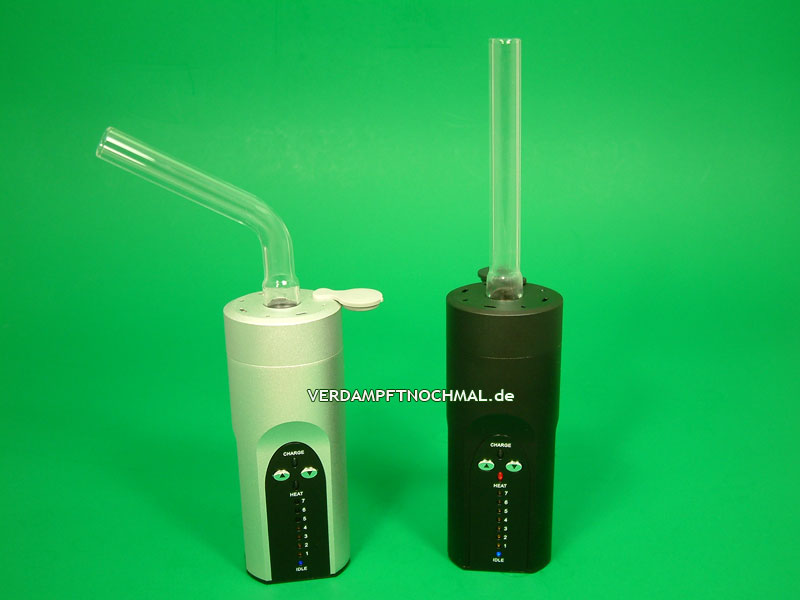
Back then, the Arizer Solo was regarded by the community as one of the best portable vaporizers. Outstanding flavor and long battery life ticked pretty much all the boxes. Arizer remains successful today and now offers several generations of devices. The Arizer Solo is now available in its third version and still ranks among the top 3 portable vaporizers.
Type: Portable hybrid vaporizer
Technology: Conduction & convection
Special features: Glass vapor path, strong battery
Significance: Flagship handheld of the 2010s
Function and Operation
Press the herbs into the glass stem, insert the stem into the chamber, switch on the device and choose a temperature. After a short preheat of around 2 minutes, you can take up to 15 strong draws.
DaVinci Classic Vaporizer – 2011 (USA – China)
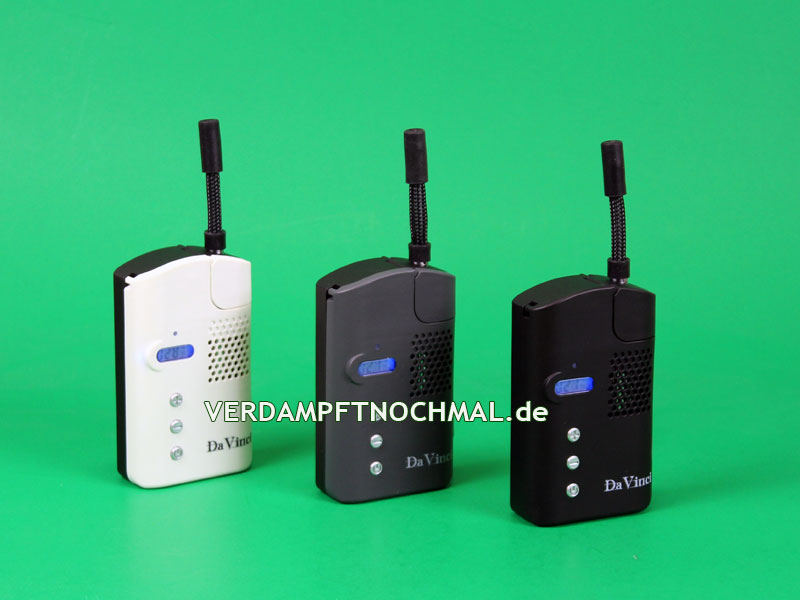
With the first DaVinci vaporizer, modern technology really arrived in the vaporizer game: individual heating programs, precise temperature control and efficient vaporization made this compact, portable device a favorite with both beginners and experienced users.
Type: Portable conduction vaporizer
Technology: High-quality conduction heating, digital control, replaceable battery
Special features: Temperature profiles, ceramic vapor path, app connectivity
Significance: Set new standards for discreet, flavorful vaping on the go.
Function and Operation
The device is switched on by quickly pressing the power button five times. Finely ground herbs are placed into the heating chamber. You can choose between four preset “Smart Paths” that automatically increase the temperature over the course of the session – perfect for activating different terpene profiles. Alternatively, there is a manual mode for precise temperature control. The ceramic vapor path ensures pure flavor, and the app lets you personalize your experience even further.
Lotus Vaporizer – 2012 (USA)
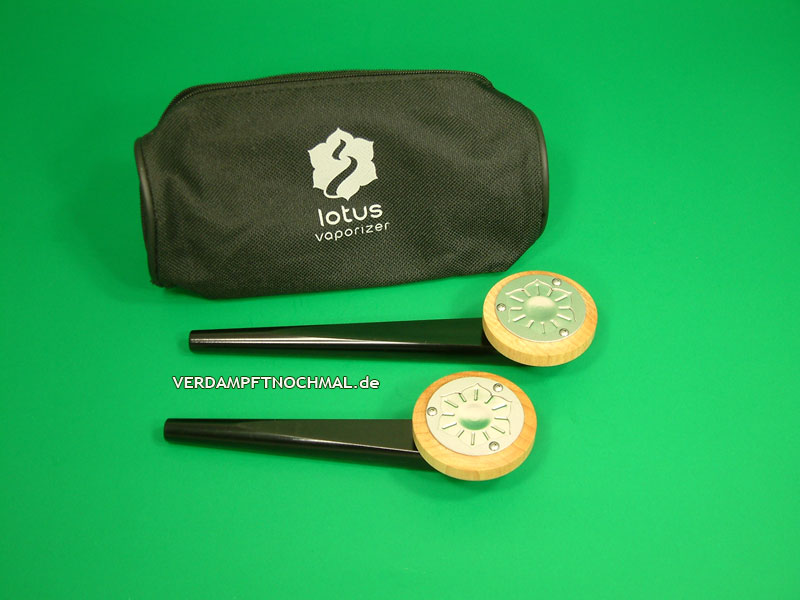
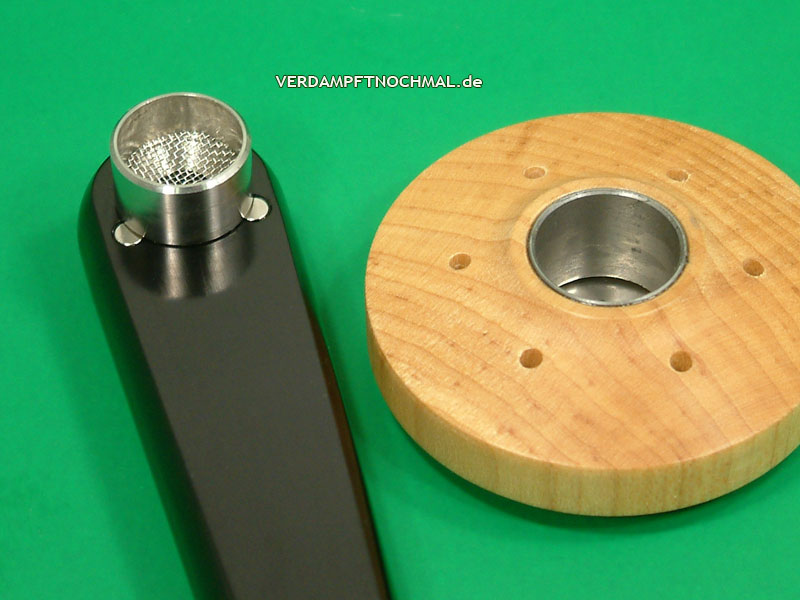
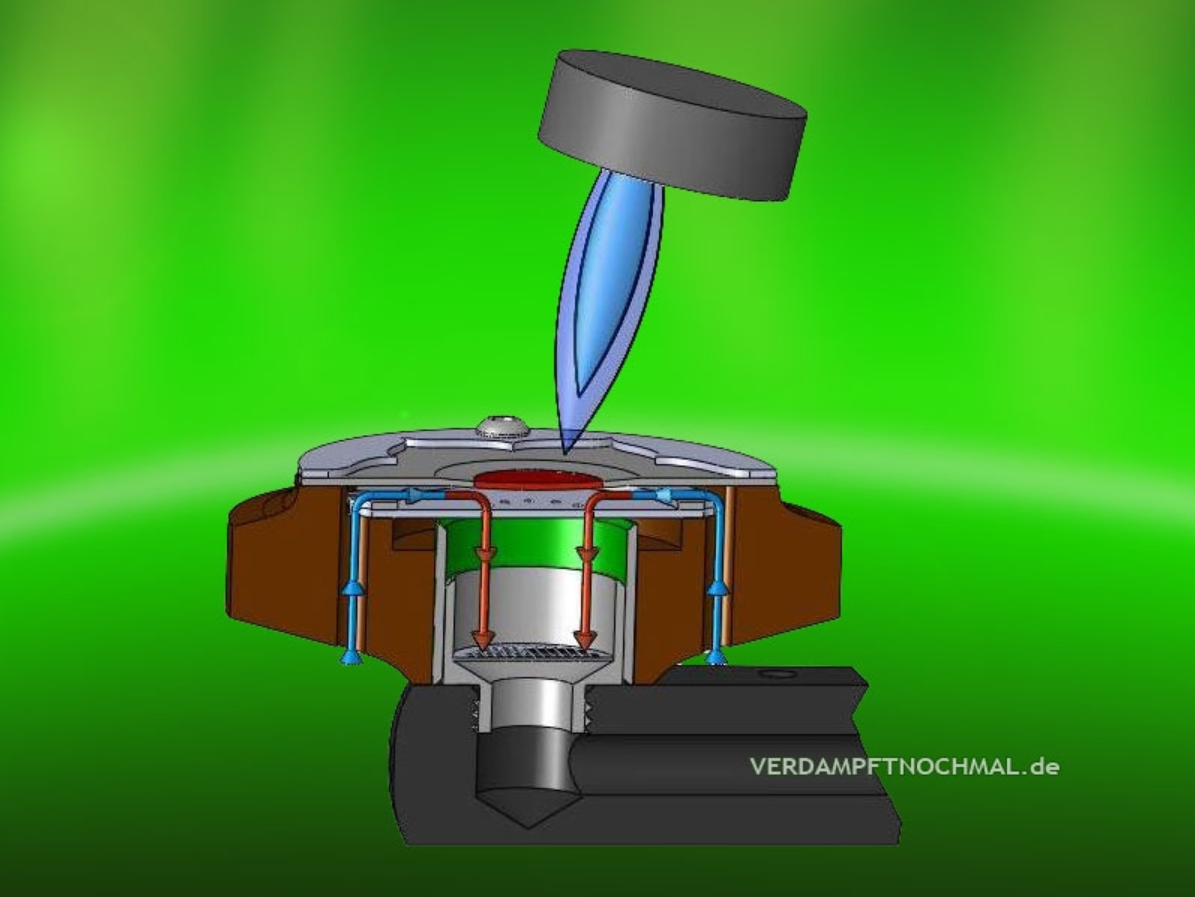
The original Lotus vaporizer is a portable, gas-powered on-demand vaporizer known for its innovative “convection-first” technology. It is heated with a lighter flame, which gently vaporizes the herbs instead of burning them. Thanks to its high-quality glass and metal components, the flavor remains especially clean.
The INHALE Lotus Vaporizer (also known as Lotus) is the modern version of the original.
Type: Portable convection vaporizer (manual, flame heated)
Technology: 100% convection, metal heat plate warmed with a torch lighter heats the incoming air
Special features: No battery, no electronics, lotus flower design for optimal heat distribution
Significance: Connoisseur’s device for purists, extremely fast heat-up time (about 3 seconds).
Function and Operation
Fill the chamber with herbs, place the Lotus cap on top and gently heat the metal cap with a jet lighter while inhaling slowly. The air heated by the cap passes through the herbs and immediately produces dense, aromatic vapor. It’s easy to use but does require a bit of practice to find the “sweet spot.” Let the device cool between draws and stir the chamber as needed.
G-Spot Vaporizer – ca. 2012 (Germany)
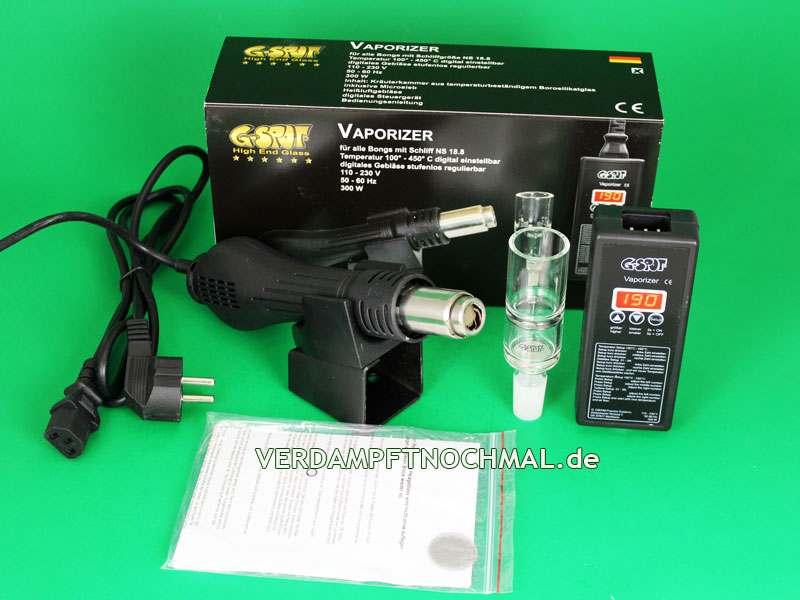
The G-Spot vaporizer combines a small hot air blower with a specially adapted bong bowl. The integrated fan significantly reduces heat-up time.
Type: Digitally controlled desktop convection vaporizer
Technology: Digital hot air heating, adjustable from 100–250°C
Special features: Suitable for both herbs and oils, optimized for use with water filters
Significance: High-quality German product focusing on precise temperature control and versatility.
Function and Operation
Place herbs into the glass bowl on top of the screen and set the device to the desired temperature.
PAX – 2012 (Ploom, USA)
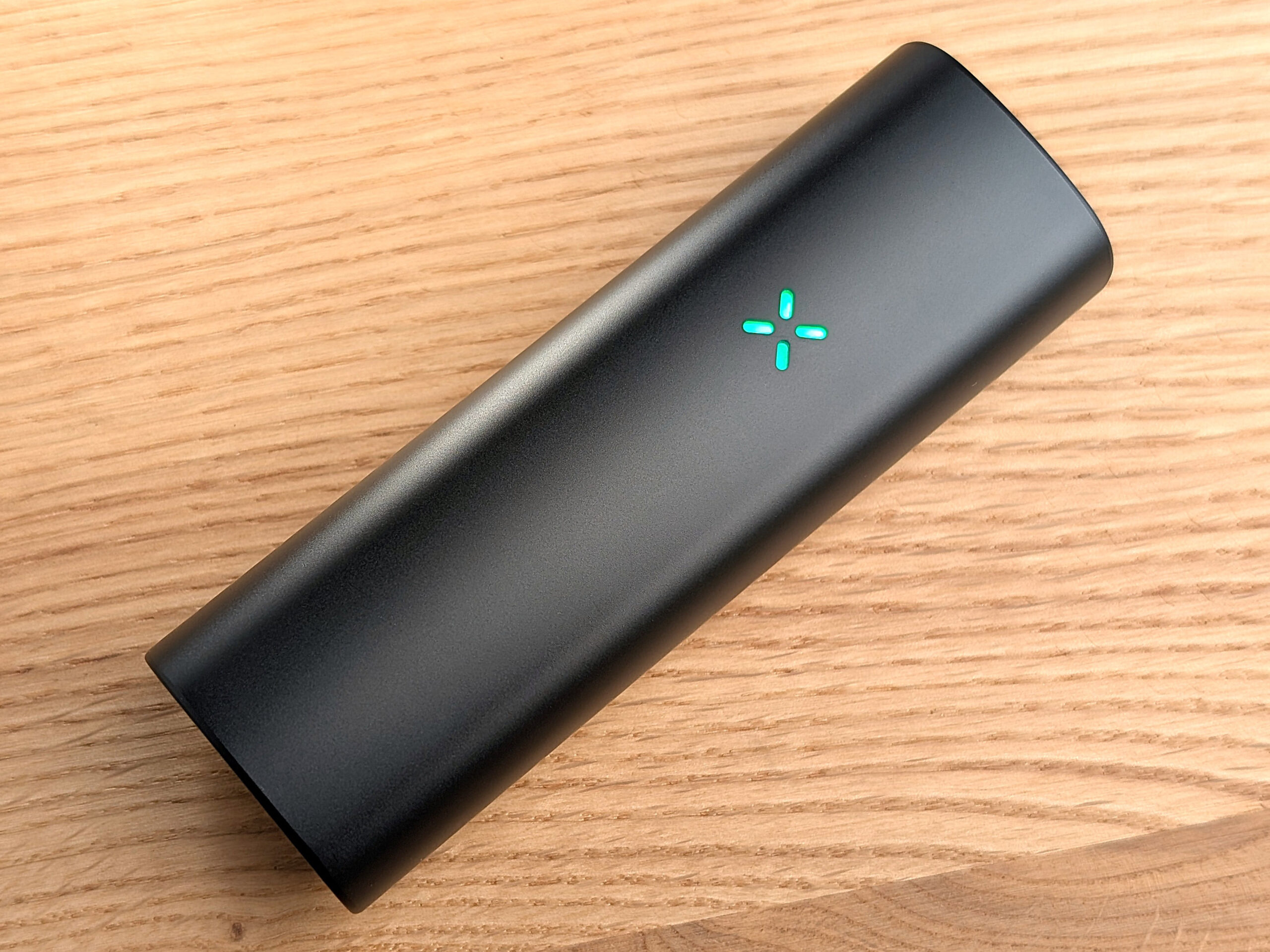
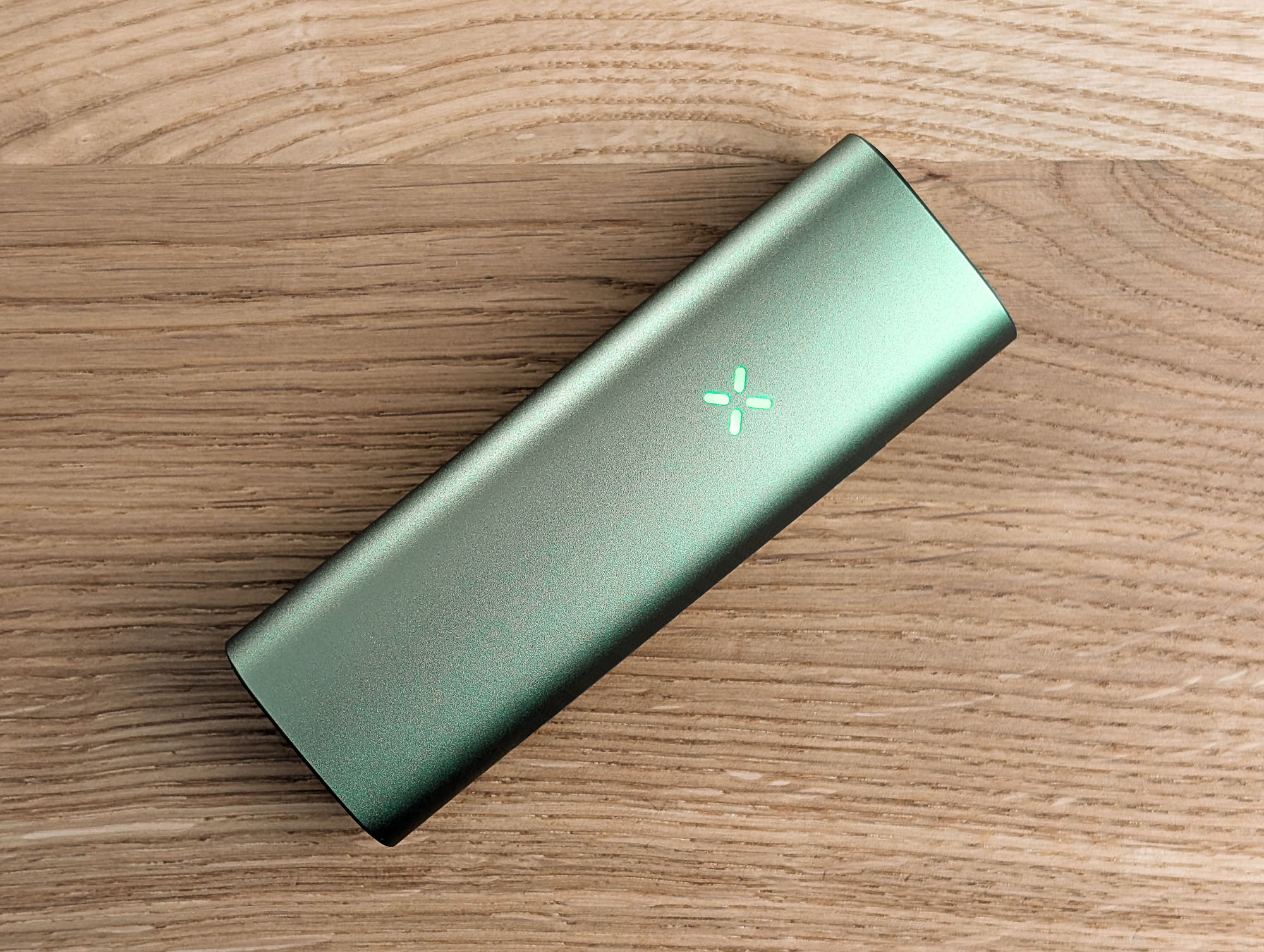
Ploom introduced a conduction vaporizer that turned out to be a huge success. With its iPod-like design and sleek, modern marketing, the device hit the zeitgeist perfectly. The successful concept led to numerous successors.
Type: Portable conduction vaporizer
Technology: Aluminum housing, direct heating
Special features: Stylish design, revolutionary user interface
Significance: Role model for modern “lifestyle” vapes
Function and Operation
Fill the bottom oven with herbs, close the lid, hold down the button until the LED changes color. After around 45 seconds of heat-up time, the device is ready, with multiple temperature modes available.
Mighty & Crafty – 2014 (Storz & Bickel, Germany)
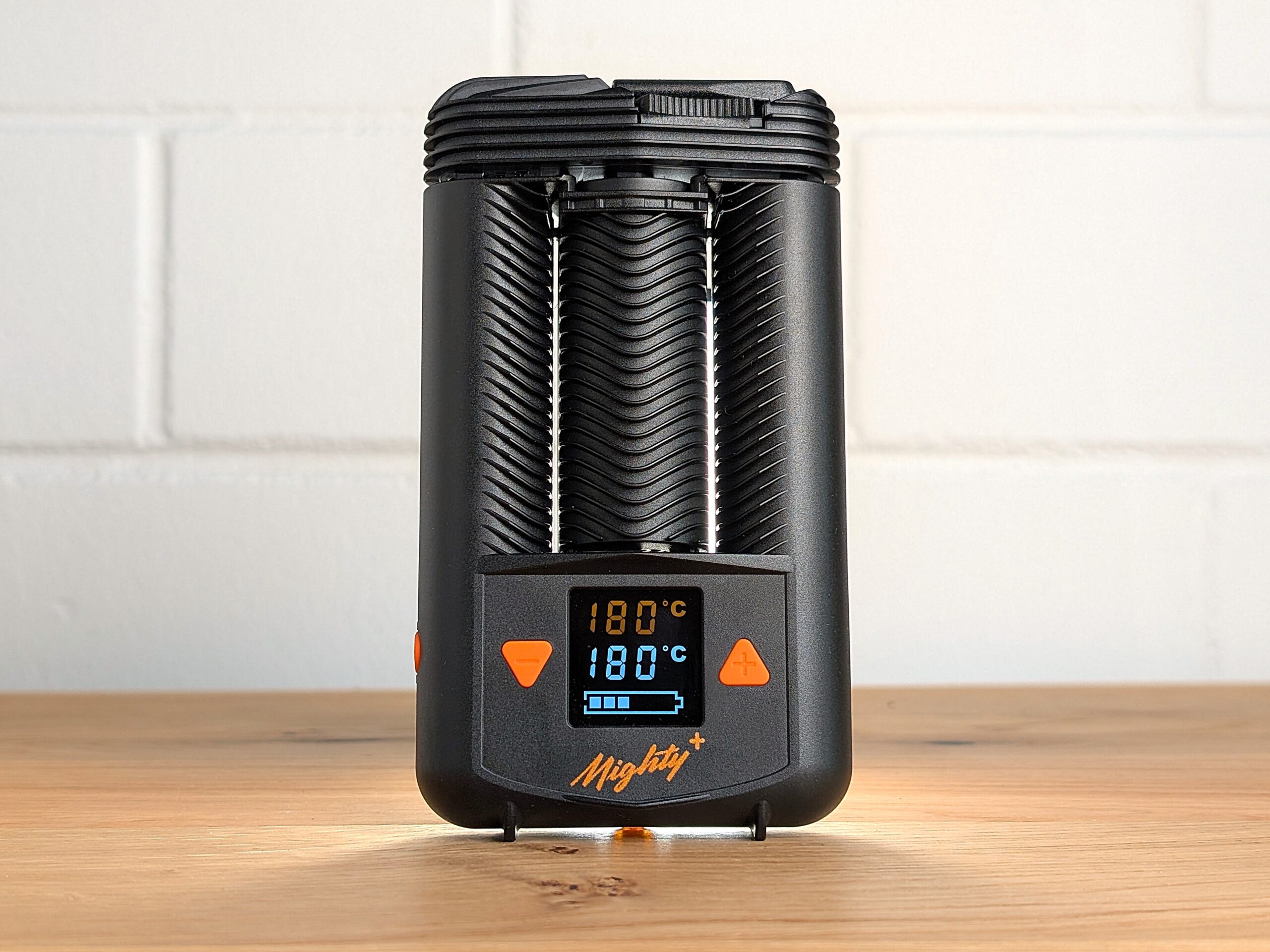
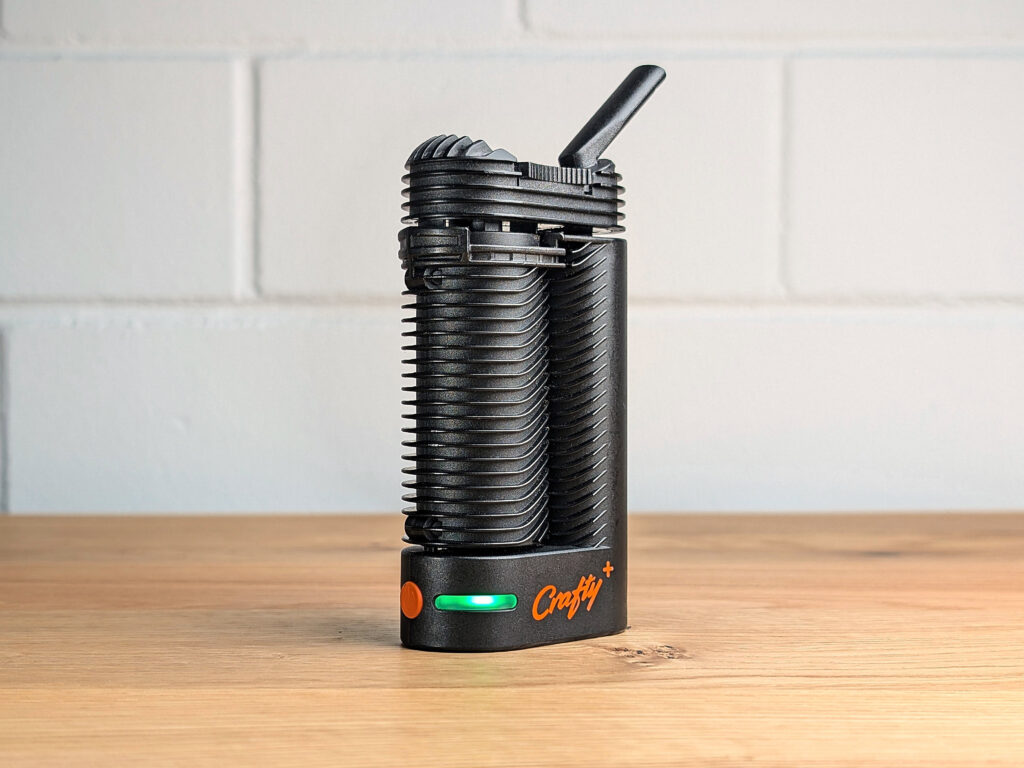
In 2014, Storz & Bickel launched its first portable vaporizers with the Mighty and Crafty. The Mighty in particular became extremely successful and dominated the market for a long time. Today, there are successors to both devices and additional models in the lineup.
Type: High-end hybrid handheld vaporizers
Technology: Combination of convection and conduction
Special features: Precise digital temperature control, medical certification
Significance: Benchmark for portable devices
Function and Operation
Fill the chamber with herbs, switch the device on and select the desired temperature using the plus/minus buttons. After about 90 seconds, you can take strong hits through the swivel-out mouthpiece.
MiniVap – 2014 (Spain)
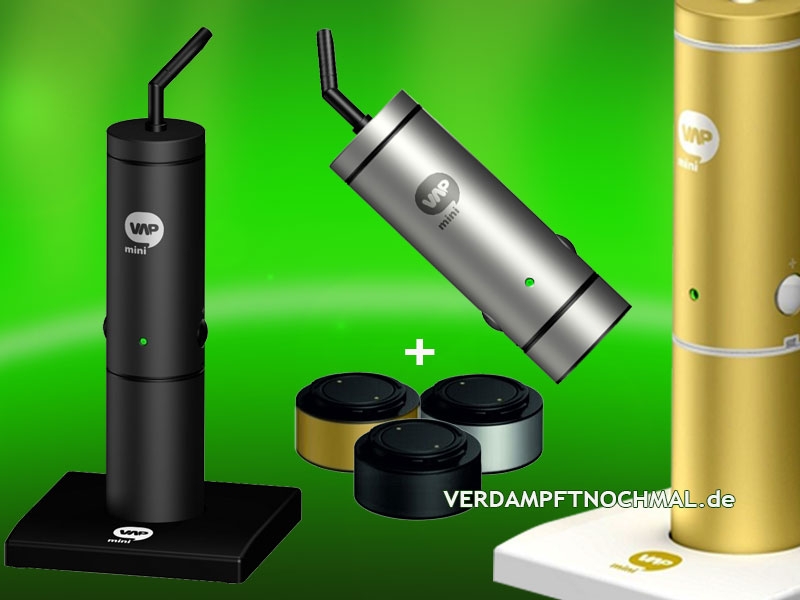
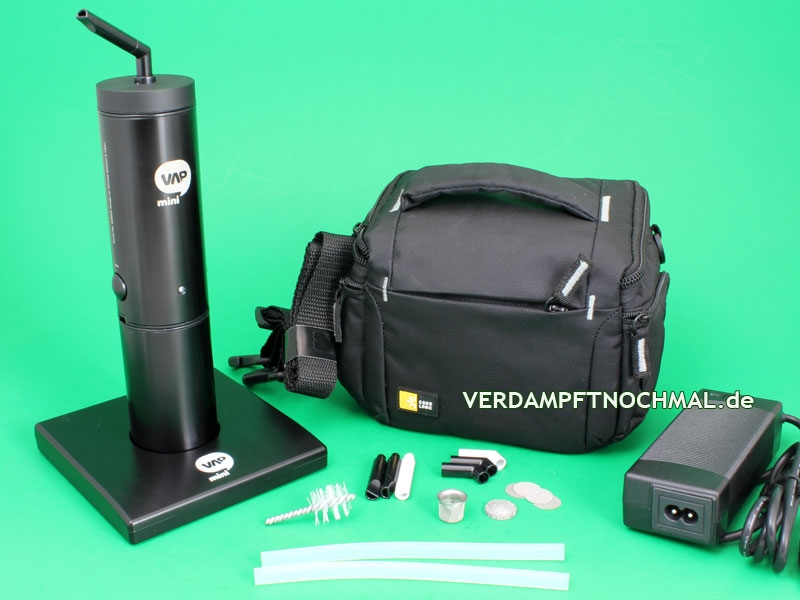
The MiniVap is a portable, electrically powered vaporizer for herbs. Thanks to precise temperature control, the flavor of the vapor remains particularly intense. The included charging base can be swapped out for a battery, allowing the MiniVap to be used as a true portable vaporizer on the go.
Type: Modular high-end desktop vaporizer
Technology: Air-driven convection
Special features: Interchangeable batteries and mains modules
Significance: Pro tool for extracting flavor and active compounds
Function and Operation
Portable desktop vaporizer: the device can be easily switched from mains operation to battery operation and back again.
Sublimator – 2014 (Canada)
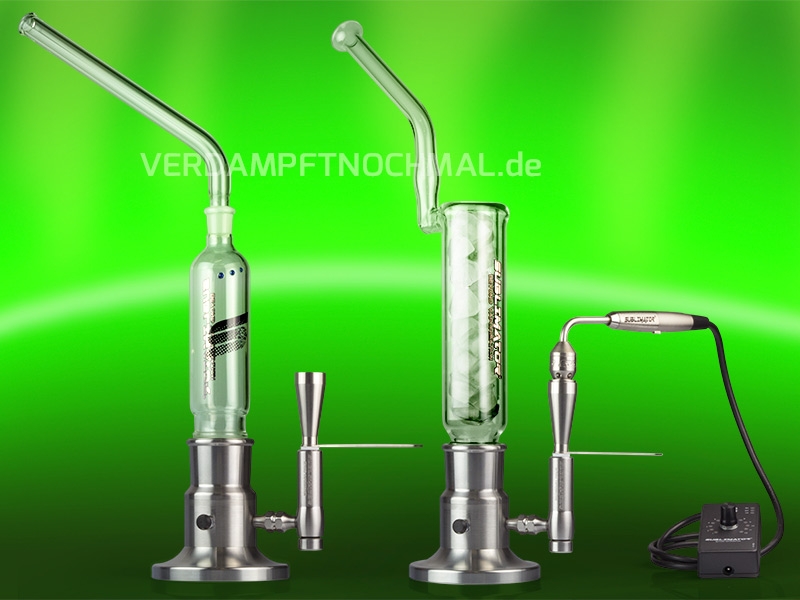
The Sublimator is aimed exclusively at experienced users with high demands and is considered the non plus ultra of vaporizers. By combining gasification and atomization, its sophisticated heating system delivers not only extremely efficient extraction but also higher bioavailability of the active compounds.
Type: High-end hybrid vaporizer
Technology: High-performance heating element, titanium structure
Special features: Very high temperatures, “sublimation effect”
Significance: Developed for maximum extraction and potency
Function and Operation
Fill the chamber with herbs, place the titanium module on top, set the temperature (significantly higher than “normal” vape levels). The device combines conduction and convection to create extremely dense vapor.
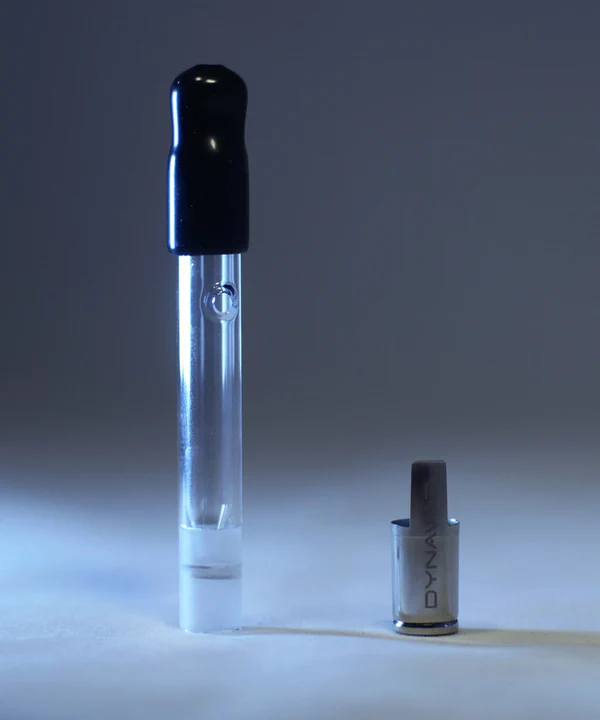
DynaVap follows a battery-free concept without electronics. The device is heated at the cap using a lighter or induction heater, which transfers heat to the integrated bimetal. Once this expands at vaporization temperature, it creates an audible click. The design has inspired many successors and gave rise to the term “Thermal Extraction Device” (TED).
Type: Hand-operated mini vaporizer without electronics
Technology: Flame-powered conduction, mechanical click signal
Special features: Extremely robust and low maintenance
Significance: Renaissance of analog vaporizers
Function and Operation
Fill in herbs, heat the cap with a jet lighter while gently rotating the device to distribute heat evenly. Alternatively, you can heat the cap in an induction heater without rotating. Inhale after the click, let it cool and then reheat for the next draw.
Flowermate – 2015 (China)
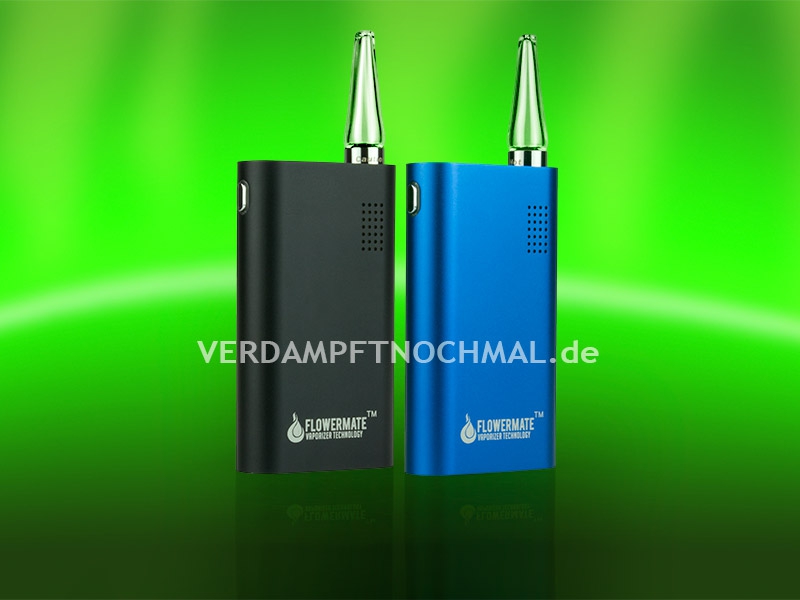
Flowermate started in the mid-2010s as a brand of SMISS Technologies, a company producing e-cigarettes and pod systems. With the Flowermate V5.0, they entered the dry herb vaporizer market, followed by a series of simple, budget-friendly vaporizers.
Type: Portable conduction vaporizer
Technology: Electric, very easy to use
Special features: Excellent price-performance ratio
Significance: Makes reliable, affordable vaping accessible to beginners
Function and Operation
Fill in herbs, select a temperature level, the device heats up automatically. After about 30 seconds, you can start inhaling.
Grasshopper – 2016 (USA)
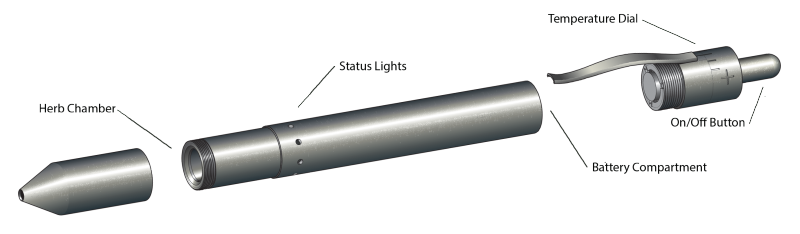
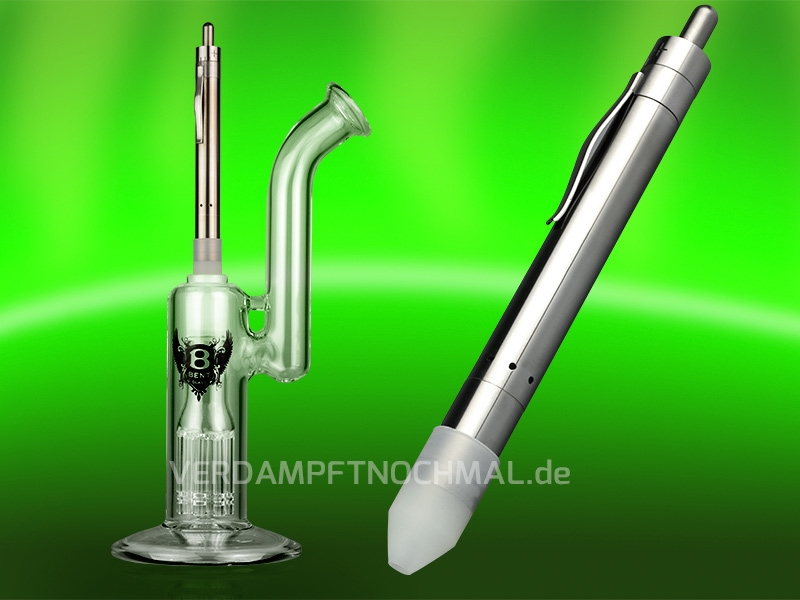
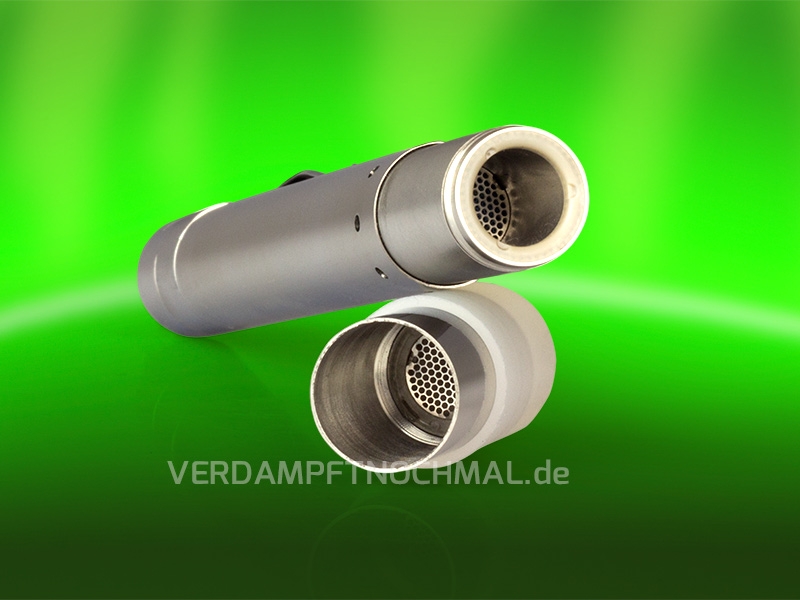
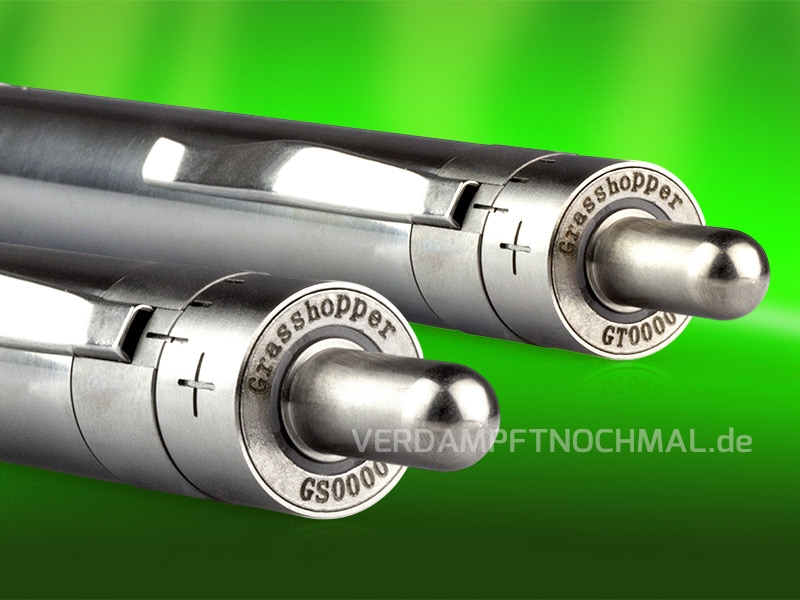
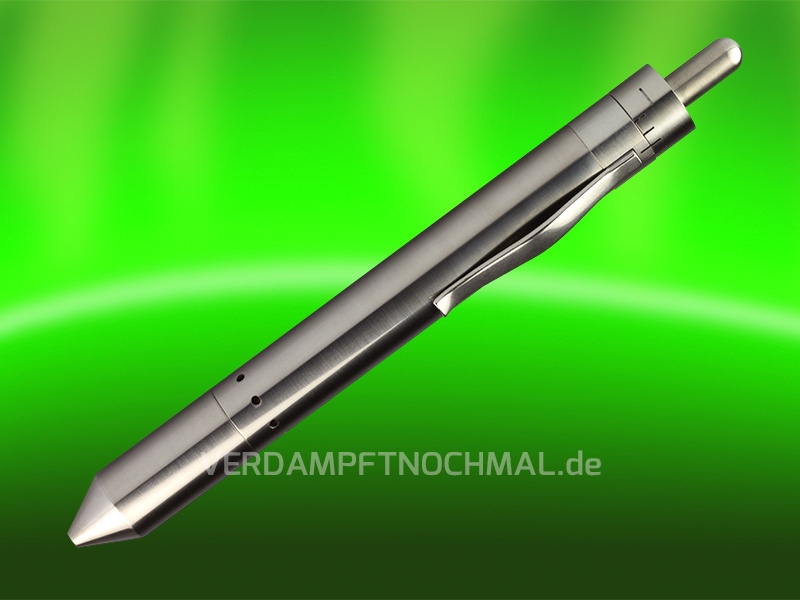
The Grasshopper is the smallest electronic convection vaporizer out there. Completely inconspicuous – James Bond could probably hit it at the casino without anyone noticing.
Type: Pen vaporizer, ultra-portable
Technology: High-performance convection, titanium housing
Special features: Very fast heat-up, as discreet as a ballpoint pen
Significance: Maximum performance in minimum size
Function and Operation
Unscrew the tip, fill in herbs, press the end cap until the LED lights up – ready in about 5 seconds. A hot airstream passes over the herbs, creating impressive vapor clouds despite the tiny form factor.
Outlook
The history of vaporizers is a prime example of innovation and shifting social needs. It starts with ritual steam in ancient times and extends today into medicine, lifestyle and cutting-edge technology. Vaporizers have long since become more than just a trend – they stand for well-being, enjoyment and a more conscious way of using plant-based raw materials.
We’re curious to see what the future holds. As we’ve seen, there are virtually no limits to creativity. With increasing legalization and growing acceptance in society, completely new perspectives are opening up – for research and technology, but also for more conscious consumption.
Who knows which innovative technologies will emerge in the years to come?
One thing is certain: The evolution of vaporizing is far from over.
There is a special vaporizer exhibition at the Hanf Museum Berlin
6.12.2025 – 1.4.2026 – Mühlendamm 5, 10178 Berlin – Hanfmuseum.de